기본 언어로 설정
동력계

Dynamometers Testing Solution

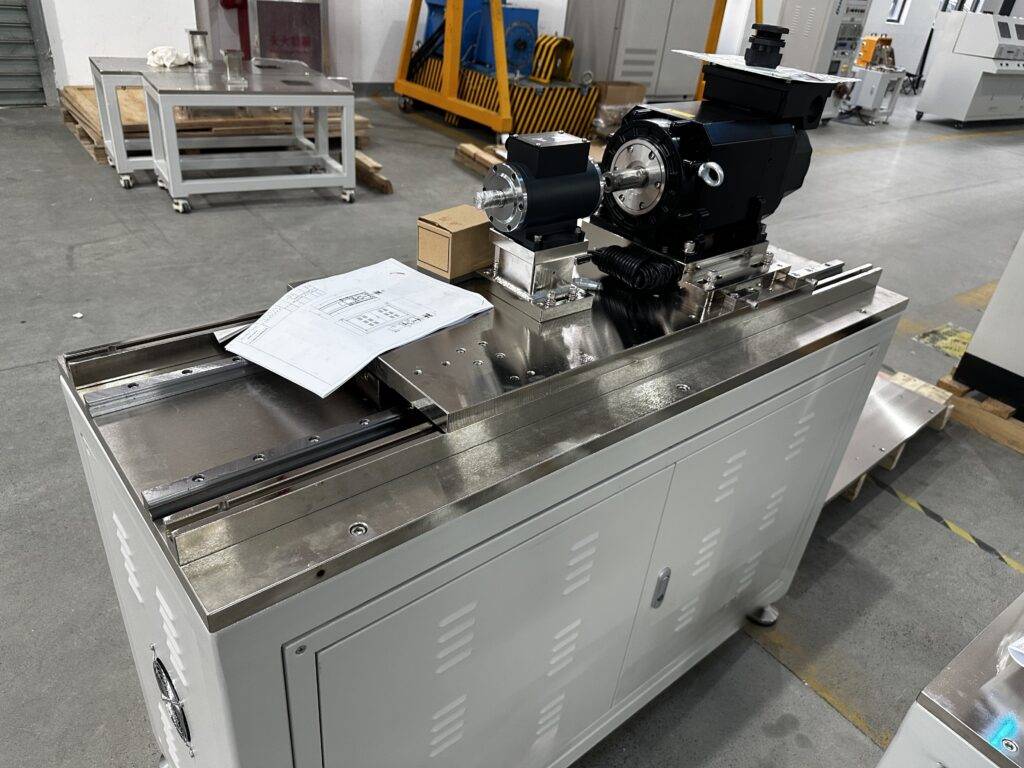
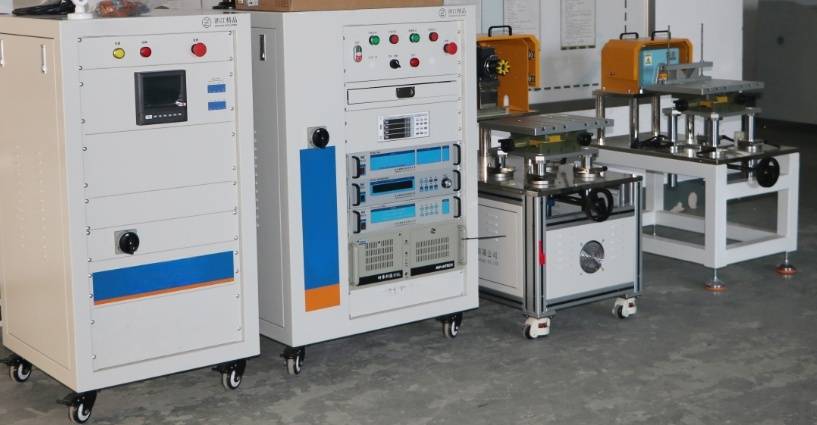
다중 동력계 솔루션

다중 동력계 솔루션

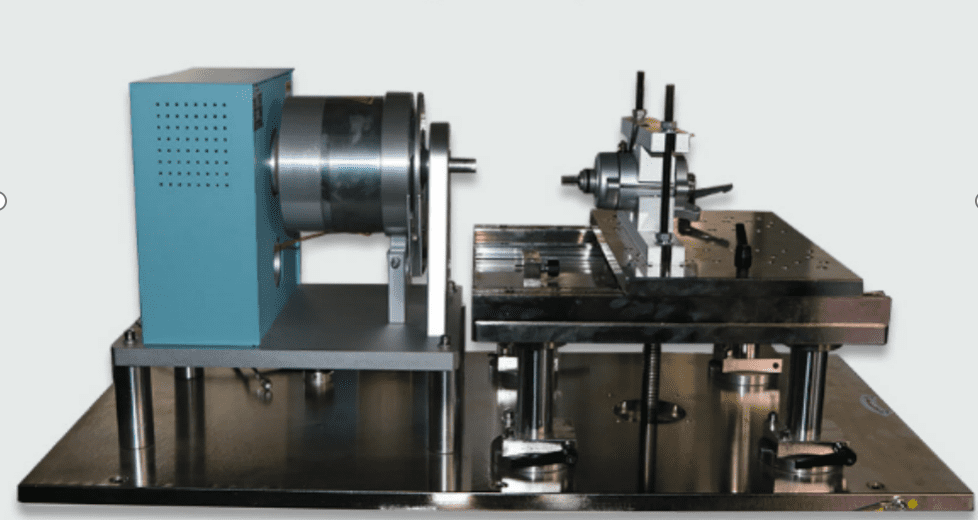
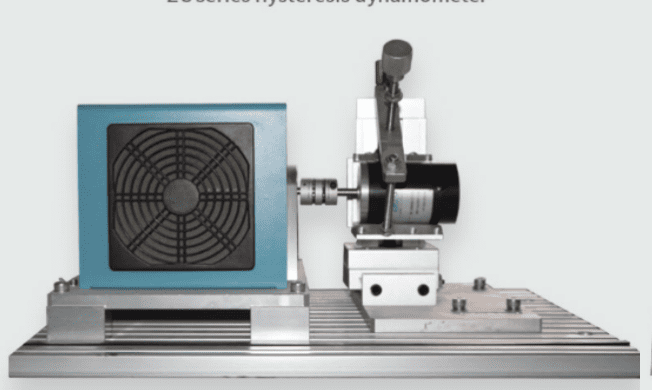
히스테리시스 동력계
히스테리시스 동력계

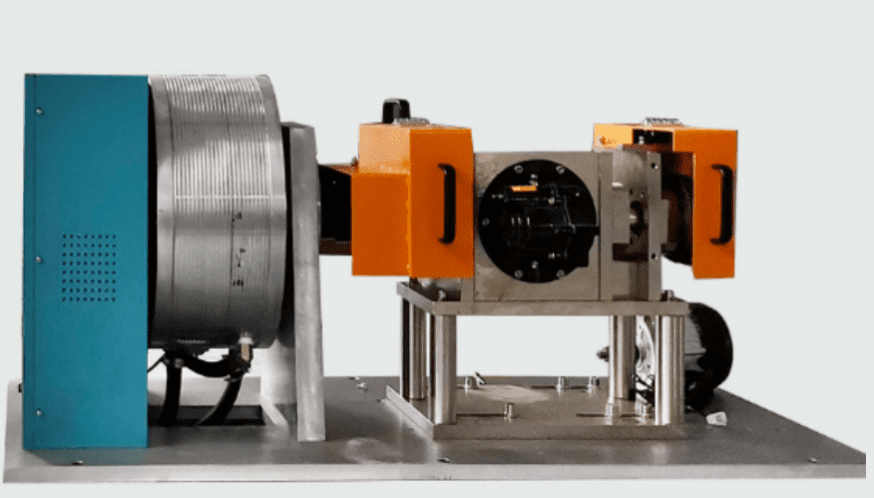
ECF 자기 분말 동력계

자기 분말 동력계

와전류 브레이크 동력계

와전류 동력계

What is a Dynamometer?

Dynamometers Testing solution is a device used to measure 토크, , 그리고 rotational speed of an engine, 모터, or other rotating machinery. Dynamometers are critical tools used in various industries, 자동차를 포함한, 항공우주, and industrial sectors, to test the performance, 능률, and reliability of engines, 모터, and drivetrains under different load conditions. Whether for R&디, production line testing, or regulatory compliance, a dynamometer provides accurate data that helps manufacturers optimize products for maximum efficiency and safety.

Principles of Dynamometers:

동력계

A dynamometers is a device used to apply a load or braking force on the test object, (such as motors, 엔진, mechanical systems, 등.) to measure its power and performance. The operating principle of a dynamometer usually relies on several methods:

  1. Electromagnetic Induction Principle (Eddy-Current Dynamometer): Uses the interaction between electromagnetic fields and conductors to generate resistance, which is then used to measure power and torque.
  2. Friction Principle (자기 분말 동력계, Powder Brake Dynamometer): Measures power by adjusting the friction medium (such as magnetic powder or powder), controlling the braking force.
  3. Hydraulic/Pneumatic Dynamometer: Measures power by variations in hydraulic or pneumatic pressure, typically used for high-power testing.
  4. Mechanical Braking Principle (Electric/Mechanical Dynamometer): Uses direct mechanical contactor electric braking systems to apply load and measure power output.

Types of Dynamometers and Testing Items of Dynamometer:

Dynamometers typically classify into the following types:

  1. Eddy-Current Dynamometer

    • Testing Items: 힘, 토크, 속도, 능률
    • Advantages: High precision, high-speed testing, non-contact measurement, suitable for high speeds.
    • Disadvantages: Requires water cooling, higher cost.
  2. 자기 분말 동력계

    • Testing Items: 토크, 힘, braking force, 속도
    • Advantages: Smooth operation, 높은 정밀도, wide load range.
    • Disadvantages: Requires periodic magnetic powder replacement, suitable for mid-range power.
  3. Powder Brake Dynamometer

    • Testing Items: 힘, braking force, 속도, 능률
    • Advantages: High stability, non-contact design, suitable for continuous load testing.
    • Disadvantages: Higher cost, temperature sensitivity.
  4. Hydraulic Dynamometer

    • Testing Items: 힘, 토크, flow, pressure
    • Advantages: Suitable for high-power testing, smooth load application.
    • Disadvantages: Requires hydraulic oil, higher maintenance cost.
  5. Pneumatic Dynamometer

    • Testing Items: 힘, 토크, pressure
    • Advantages: Suitable for low to mid-range power, smooth operation.
    • Disadvantages: Sensitive to environmental pressure, limited load range.

Factors to Consider When Selecting a Dynamometer

  • Power Range: Choose a dynamometer suitable for your required power testing range.
  • Speed Requirements: For high-speed applications, an Eddy-Current Dynamometer is preferred.
  • Accuracy Needs: For high-precision testing, Eddy-Current and Magnetic Powder Dynamometers are ideal.
  • Environmental Conditions: Consider additional cooling or protection for high-temperature or high-humidity environments.
  • Budget: Different types of dynamometers vary greatly in cost.

Dynamometer Testing Selection:

Dynamometers cover a wide range of Torque, 속도 및 기계적 동력 등급. selecting the appropriate size Dynamometer for your motor testing needs, you will need to determine the Maximum Torque, 속도 그리고 applied to the Dynamometer:

Maximum 토크 of Brake Dynamometer Testing:

It is important to consider all torque points that are to be tested, not only rated torque, but also Lock Rotor and Breakdown Torque. Dynamometer selection should initially base on the maximum torque requirement, subject to determining the maximum power requirements.

Maximum Speed of Dino Testing:

This rating is to be considered independent of 토크 and power requirements, and is the maximum speed at which the Dynamometer can be safely run under free run or lightly loaded conditions. It is not to be considered as the maximum speed at which full braking torque can appliy.

Maximum Power Ratings of Brake Dynamometer Testing:

These ratings represent the maximum capability of the DynamometerBraking System to absorb and dissipate heat generated when applying a braking load to the motor under test. The power absorbed and the heat generated by the Dynamometer is a function of the Torque (T) applied to the motor under test, and the resulting speed (n) of the motor.

Why Choose Our Dyno Testing Solutions?

Our Brake Dynamometer Testing Systems combine cutting-edge technology with reliable data capture to offer precise results, making them ideal for industries that require detailed performance and durability testing.

Key Benefits:

  • Accurate Torque & Power Measurement: Whether testing engines, 모터, or components, our dynamometers provide precise readings of torque, 힘, and rotational speed.

  • Real-World Testing Conditions: Simulate driving conditions, load profiles, and environmental factors for more realistic data.

  • Non-Wear Technology: Features like eddy-current braking in dynamometers reduce wear and tear on components, resulting in longer-lasting equipment.

  • Compliance with Industry Standards: Our systems are fully compliant with EPA, ISO, 그리고 WLTP standards, ensuring your product meets global regulatory requirements.

  • Customizable and Scalable: Tailor the dynamometer to your specific testing needs, with options for electric, hybrid, and traditional vehicle testing, as well as custom testing setups for industrial applications.

  • 에너지 회수: Reduce testing costs by recovering energy during regenerative braking tests, particularly useful in electric vehicle (EV) 테스트.

  • Real-Time Data Logging: Continuous, real-time monitoring and data acquisition allow for immediate analysis and adjustment during tests.

Applications of Our Dynamometers Testing Solutions

Our dynamometers testing solutions are versatile and can appliy across various industries to test and validate a wide range of systems:

  1. 자동차 & Electric Vehicles (EV)

    • Performance and efficiency testing for 엔진, 모터, 전송, 그리고 powertrains.

    • Compliance with emission 그리고 fuel economy standards.

    • Battery testing for electric vehicles to monitor power output, 능률, and regenerative braking.

  2. 항공우주 & 비행

    • Testing of propulsion systems and engines for performance, 능률, and safety.

    • Durability testing of aerospace components to ensure reliability during extreme conditions.

  3. Industrial & Heavy Machinery

    • Performance testing of 기어박스, 모터, 그리고 compressors under heavy loads.

    • Energy efficiency testing to reduce power consumption and improve operational performance.

  4. 모터 & Engine R&디

    • Analyze engine performance 그리고 motor dynamics to improve design and efficiency.

    • Test for power output, 토크, 그리고 속도 under varying load conditions.

  5. Emissions Testing

    • Perform emissions testing for vehicles and engines to ensure compliance with local and international environmental standards.

Key Features of Our Dyno Systems:

  • Modular Design: Adaptable to test various vehicle types and components. From single-axle testing 에게 multi-axle and full drivetrain systems, our dynamometers can handle it all.

  • 높은 정밀도 & Repeatability: Engineered for high accuracy in measuring torque, 힘, and speed, our systems ensure reliable data every time.

  • Variable Load Simulation: Simulate real-world conditions such as accelerations, decelerations, 그리고 constant-speed cruising for automotive testing.

  • Safety Features: Includes features like over-speed protection, automatic shutdown in case of failure, 그리고 manual control for emergency situations.

  • Advanced Software Integration: Integrated software solutions for real-time data logging, visualization, and customizable reporting. Analyze data in an intuitive interface.

  • Energy Recovery System: Save on energy costs by utilizing regenerative braking for electric vehicle (EV) 테스트 그리고 hybrid powertrains.

Aerospace Test Solution

항공우주 테스트 솔루션

우리는 토크미터를 제공합니다, 커플링, 플라이휠, 스핀들 & 헬리콥터 및 항공기 엔진 부품 테스트를 위한 테스트 장비
Marine Propulsion Test Bench

해양 테스트 솔루션

선박용 엔진 테스트 솔루션을 제공합니다., 추진 시스템, 전기 모터, 발전기 세트, 변속기 기어박스, 보조 전원 시스템, 배기 가스 시스템, 선박용 예비 부품
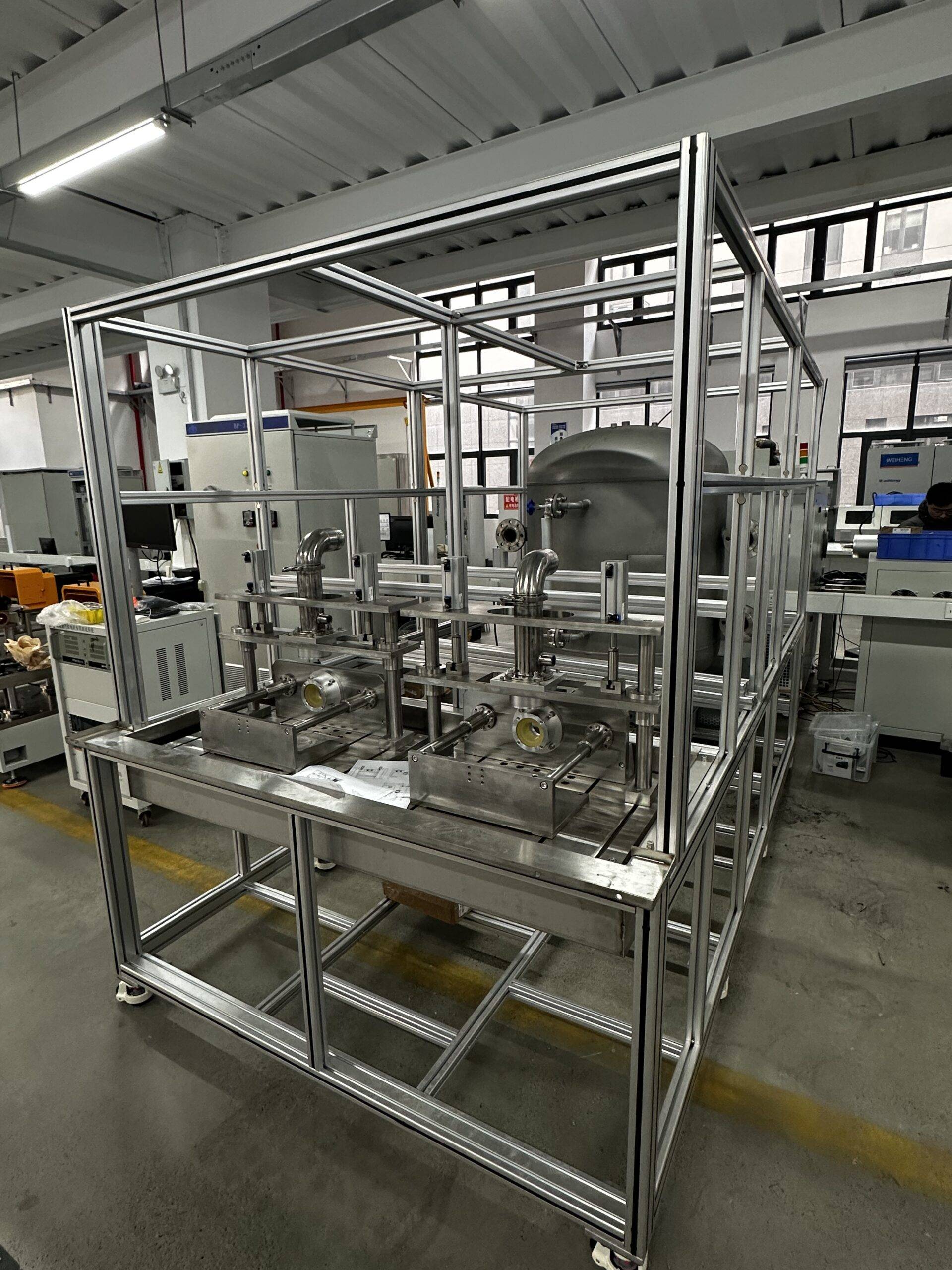
워터 펌프 테스트 시스템

워터 펌프 테스트 벤치

워터펌프 테스트 시스템은 워터펌프의 성능 테스트에 사용되는 특수 장비입니다., 흐름과 같은 주요 매개변수를 평가하는 데 일반적으로 사용됩니다., 머리, 힘, 그리고 효율성.

Frequently Asked Questions — Dynamometers

What types of dynamometers does EconoTest manufacture?

EconoTest manufactures four dynamometer families: 히스테리시스 동력계 (EC/ECO 시리즈) for precision low-torque testing, 와전류 동력계 (ECW 시리즈) for high-speed testing, 자기 분말 동력계 (ECF 시리즈) for high-torque low-speed and production line testing, and four-quadrant AC dynamometers (EC5A~EC2000A) for motoring and loading applications. All parameters are customizable upon customer requirements.

What torque ranges do EconoTest dynamometers cover?

Hysteresis dynamometers cover 0.1–30 Nm; eddy current dynamometers cover 0.5–300 Nm; magnetic powder dynamometers cover 2–2,000 Nm; AC dynamometers cover 5–2,000 Nm. Together the range spans from 0.1 Nm micro-motor testing to 2,000 Nm heavy industrial applications.

Which dynamometer type can produce full torque at zero speed?

Hysteresis and magnetic powder dynamometers both deliver full rated braking torque at zero RPM, making them suitable for starting torque, 코깅 토크, and locked rotor testing. Eddy current dynamometers cannot generate torque at zero speed because braking force depends on rotor motion. AC dynamometers can apply torque at zero speed in motoring mode.

Which dynamometer is best for high-speed motor testing?

Eddy current dynamometers reach the highest speeds — up to 50,000 RPM (ECW05KB). Hysteresis dynamometers reach 30,000 RPM (KB 시리즈) 또는 25,000 RPM (HB 시리즈). AC dynamometers cover 8,000–18,000 RPM. Magnetic powder dynamometers are limited to 2,000–5,000 RPM and are best for low-to-medium speed applications.

What measurement accuracy do EconoTest dynamometers achieve?

히스테리시스: ±0.5% 풀 스케일 (KB 시리즈) or ±0.2% (HB high-precision series). 와전류: ±0.2% to ±0.5% full scale. 자성 분말: ±0.2% to ±0.5% full scale. AC 동력계: ±0.20% full scale for both torque and speed.

What cooling do the different dynamometer types require?

Eddy current dynamometers are all water-cooled. 아래의 자성 분말 모델 20 Nm은 공냉식입니다., 20 Nm and above are water-cooled. Hysteresis cooling varies by model: 공기, 공기+물, water+blower or air+blower. Cooling requirements are specified per model in the technical documentation.

What is the difference between an absorption dynamometer and a four-quadrant dynamometer?

Absorption dynamometers (히스테리시스, 와전류, 자성 분말) can only apply braking load — they absorb energy from the unit under test and dissipate it as heat. A four-quadrant AC dynamometer can both load and drive the test article in both rotation directions, and recovers braking energy back to the grid, enabling efficiency mapping and hybrid powertrain simulation.

Can multiple dynamometers be combined in one test system?

예. EconoTest offers multiple dynamometer solutions that combine different dynamometer types on a single platform, allowing one test bench to cover a wider torque and speed envelope. Contact EconoTest engineers to configure a combined solution for your test range requirements.

오류: 콘텐츠가 보호됩니다 !!