
Choosing the Right Test Automation System for Your Facility
Executive Summary
Selecting the right test automation system for your facility is crucial for ensuring accurate, efficient, and reliable testing. Whether you’re testing automotive, marine, or industrial equipment, a well-implemented test automation solution can save time, reduce errors, and increase throughput. This guide will help you understand the process of choosing the most suitable system based on your specific testing needs, providing you with insights into automation options, integration strategies, and key decision factors.
A Right Approach to the Comprehensive Test automation solution:
Step 1: Identify Your Test Automation Needs
Before selecting an automation system, it is essential to categorize your test requirements. Test automation solutions differ significantly based on the complexity and scale of the tests they perform. The main types of tests include:
Component Level Tests: Typically involve repetitive testing of individual components or subassemblies. This is ideal for automated systems requiring minimal setup and frequent repetition.
Steady-State Tests: These tests measure the system’s behavior under constant conditions, such as engine endurance tests or component stress tests.
Complex System-Level Tests: These tests simulate real-world operational conditions for an entire system, such as propulsion testing or load distribution in automotive and aerospace systems.
By understanding the nature of your testing, you can start to assess which type of automation system will best meet your facility’s needs.
Step 2: Evaluate Test Automation Systems
When evaluating test automation systems, consider the following key factors:
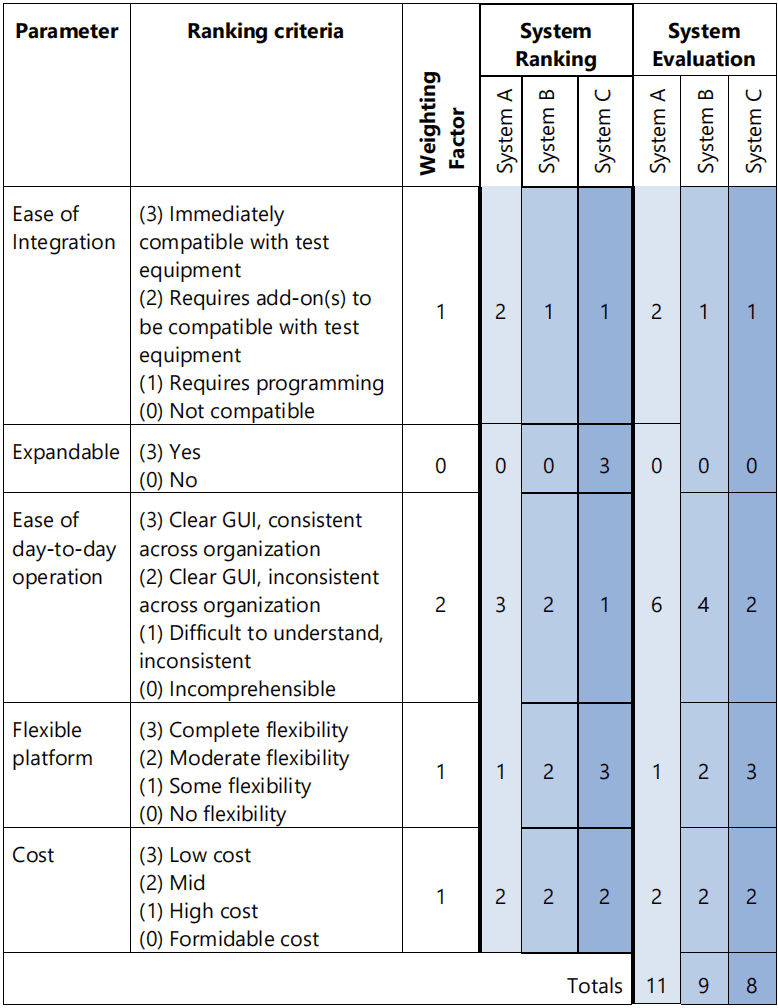
Ease of Integration: How seamlessly can the automation system integrate with your existing infrastructure? A system that requires minimal modifications to your existing test benches and instruments will reduce implementation time and cost.
Expandability: Choose a system that can grow with your facility’s needs. Whether you need to expand testing capacity or add new functionalities, a flexible system will provide long-term value.
Cost Efficiency: While it’s tempting to go for the most advanced system, cost must also be considered. The system should provide a balance of high-performance features and cost-effectiveness to meet your budget requirements.
Operational Flexibility: Different automation systems offer varying levels of flexibility. Some systems can handle a wide variety of tests, while others are tailored for specific applications. Look for a system that can accommodate both current and future testing demands.
Step 3: Proof of Concept and Vendor Selection
Before committing to a test automation system, it is advisable to conduct a proof of concept (PoC) to verify that the system meets your requirements. Many vendors offer demonstration units or trial periods that allow you to test the system in a real-world setting. Be sure to ask for case studies and examples of how the vendor’s system has performed in similar applications. This will give you a clearer picture of what to expect from the system and whether it aligns with your goals.
Get Started with Our Automation Solutions
Ready to upgrade your facility’s test capabilities? Contact us today to get a Solution and quotation!Our experts will work with you to identify the best solution for your needs.

항공우주 테스트 솔루션
우리는 토크미터를 제공합니다, 커플링, 플라이휠, 스핀들 & 헬리콥터 및 항공기 엔진 부품 테스트를 위한 테스트 장비
해양 테스트 솔루션
선박용 엔진 테스트 솔루션을 제공합니다., 추진 시스템, 전기 모터, 발전기 세트, 변속기 기어박스, 보조 전원 시스템, 배기 가스 시스템, 선박용 예비 부품
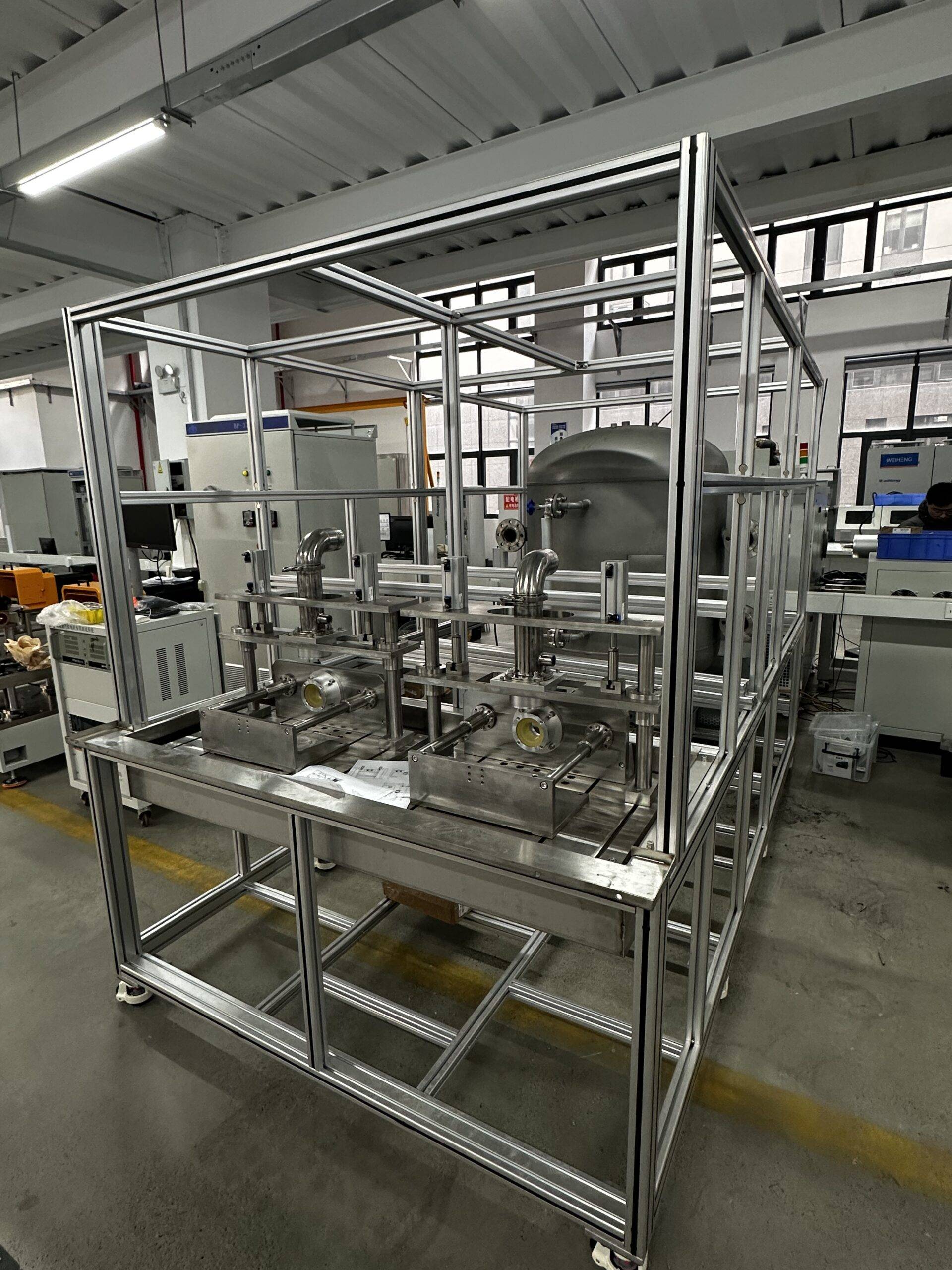
워터 펌프 테스트 벤치
워터펌프 테스트 시스템은 워터펌프의 성능 테스트에 사용되는 특수 장비입니다., 흐름과 같은 주요 매개변수를 평가하는 데 일반적으로 사용됩니다., 머리, 힘, 그리고 효율성.