
Banco prova motori eVTOL: Come convalidare i sistemi di propulsione elettrica per l'aviazione
China’s low-altitude economy policy and global eVTOL certification programs are driving demand for aviation-grade electric motor test systems. This guide explains what it takes to validate propulsion motors for eVTOL aircraft.
The eVTOL Revolution: Why Motor Testing Can’t Use Conventional Methods
Electric Vertical Take-Off and Landing (eVTOL) aircraft represent the fastest-growing segment in aviation. Unlike conventional aircraft motors, eVTOL propulsion systems face extreme and simultaneous demands that standard motor test benches are not designed to handle.
5–15 kW/kg required — 3× higher than automotive EV motors
Rapid duty cycles from 0 A 100% In <1 second during hover transitions
Propeller motors: 500–8,000 RPM; generatori: fino a 50,000 giri al minuto
CAAC/EASA airworthiness standards require full DO-160 environmental testing
✈️ Propulsion Motor (Propeller Drive)
Direct-drive or geared motors that spin propellers or fans. These motors are characterized by high torque at relatively low RPM and must survive extreme vibration environments.
Key Test Requirements
| Gamma di velocità | 500–8,000 RPM |
| Energia | 10–250 kW per motor |
| Torque Response | <100 ms step response |
| Altitude Simulation | Low-pressure cooling conditions |
| Vibration Profile | DO-160 Category S |
| Cooling Method | Air or oil-cooled |
⚙️ Starter-Generator (APU / Turbine-Hybrid)
High-speed starter-generators are used in hybrid eVTOL to start turbines and generate electrical power. These operate at very high speeds (20,000–50,000 RPM) and require advanced high-speed test bench capabilities.
Key Test Requirements
| Gamma di velocità | 5,000–50,000 RPM |
| Energia | 50–500 kW |
| Dual Mode Test | Motoring + Generating |
| Grid Synchronization | 28In DC / 115V AC 400Hz |
| Bearing System | Magnetic or air bearings at test bench |
| Sicurezza | Over-speed containment required |
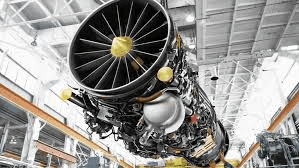
eVTOL Test Bench: Core Requirements
An aviation-grade motor test bench differs fundamentally from automotive or industrial motor test systems. The safety, affidabilità, and measurement requirements are orders of magnitude stricter.
Must-Have Capabilities
- High-speed dynamometer: Fino a 50,000 RPM with precise torque measurement
- Aviation duty cycle: Take-off (100%) → Cruise (60%) → Hover (80%) simulation
- Thermal management: Altitude-equivalent cooling conditions (reduced air density)
- Regenerative load: Energy recovery during high-power test cycles
- EMI/EMC shielded: Aviation electronics in close proximity
- Containment housing: Mandatory over-speed safety enclosure
- Data acquisition: ≥1 MHz sampling for transient fault capture
eVTOL vs Automotive Motor Testing: Key Differences
| Requirement | Automotive EV Motor Test | ✈️ eVTOL Motor Test |
|---|---|---|
| Safety Standard | Iso 6469 | DO-160 + CAAC/EASA |
| Duty Cycle Profile | WLTP drive cycle | Aviation mission profile (take-off/hover/cruise) |
| Velocità massima | 15,000–20,000 RPM | Fino a 50,000 giri al minuto |
| Power Density Target | 2–5 kW/kg | 5–15 kW/kg |
| Containment Required | Recommended | Mandatory |
| EMI/EMC Testing | Standard EMC | Full DO-160 Section 21 conformità |
EconoTest Aviation Motor Test Solutions
EconoTest has developed dedicated high-speed motor test systems for aviation and eVTOL applications, building on our proven aerospace starter-generator test bench platform.
Our Aviation Test Bench Capabilities
- High-speed dynamometers rated to 50,000 RPM with aviation-grade containment
- Dual-mode testing: motor and generator modes in one system
- Aviation power supply simulation: 28V DC and 115V/400Hz AC
- Integrated thermal imaging and temperature monitoring
- Data acquisition at up to 1 MHz sampling rate
- Compliant with DO-160, MIL-STD-704 and CAAC requirements
- Custom test profiles for eVTOL mission simulation
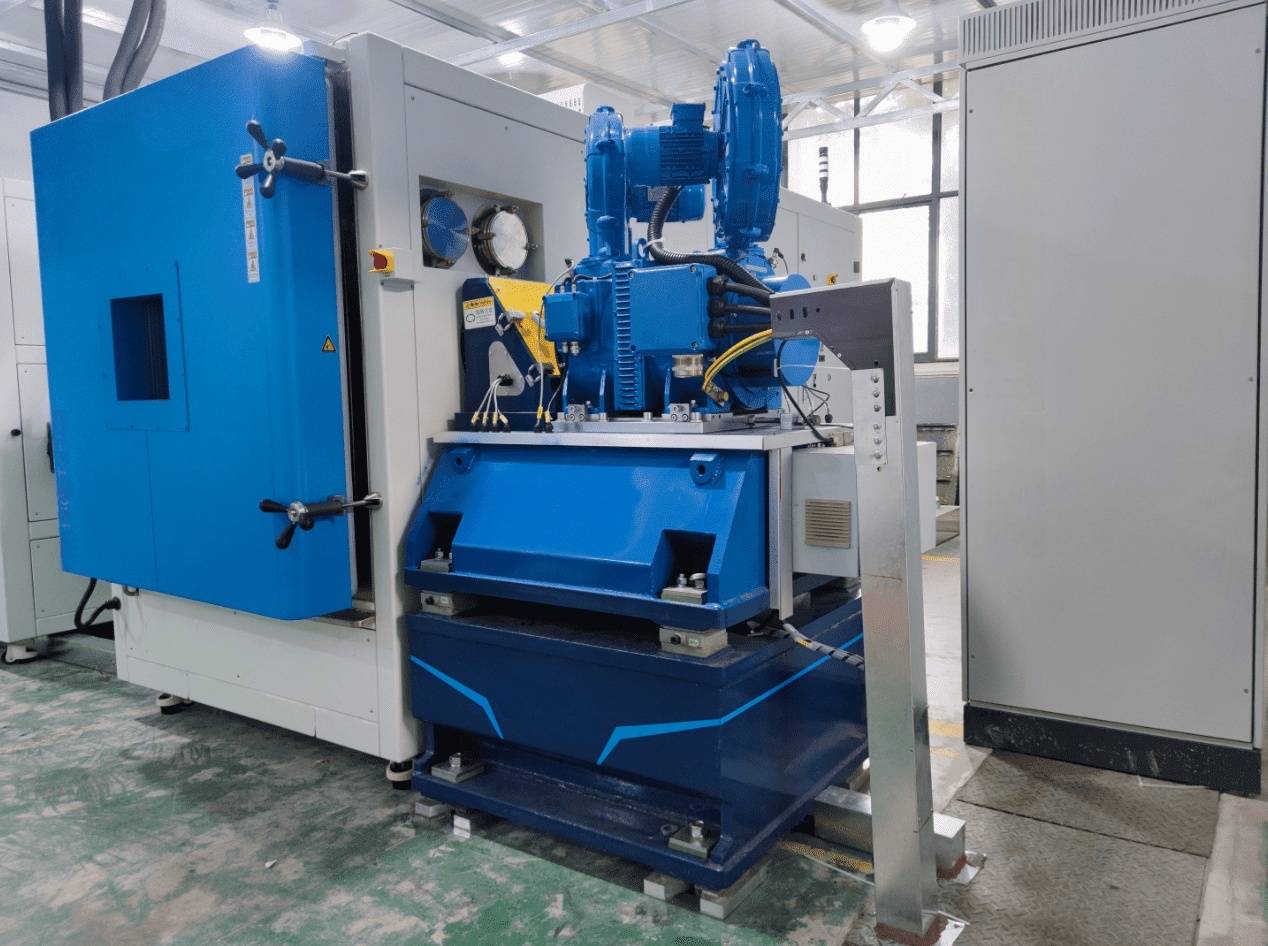
Ready to Test Your eVTOL Propulsion System?
EconoTest engineers specialize in high-speed aviation motor test systems. Discuss your eVTOL motor test requirements with our aerospace team.