
Energia, Velocità, Coppia: La guida essenziale alla configurazione del dinamometro e del banco prova
La scelta del giusto sistema dinamometrico dipende da tre parametri critici. Questa guida aiuta gli ingegneri e i team di procurement a comprendere l'interdipendenza di Energia (P), Velocità (N), e Coppia (T) definire correttamente l’ingombro operativo e dimensionarlo configurazione del banco prova per prestazioni e costi ottimali.
Il triangolo centrale: Interdipendenza dei parametri di test
P = (2 π τ N) / K
(Dove P è la Potenza, τ è la Coppia, N è la velocità, e K è la costante di conversione dell'unità.)
Questa relazione fondamentale impone che non sia mai possibile selezionare queste tre variabili in modo indipendente. Quando vengono definiti due qualsiasi, il terzo è automaticamente vincolato. Comprendere il loro impatto individuale è la chiave del successo configurazione del banco prova.
Analisi dell'impatto: Coppia, Velocità, e potere
► 1. Coppia massima (τmassimo): Dimensionamento della meccanica
La coppia è il fattore principale che determina il robustezza meccanica, dimensione fisica, e resistenza strutturale dei componenti del vostro banco prova (alberi, accoppiamenti, e dispositivi di montaggio).
- Limite meccanico: Determina la robustezza necessaria per il telaio del dinamometro.
- Selezione del sensore: Definisce l'intervallo richiesto di Trasduttore di coppia.
- Chiave da asporto: Basare il fabbisogno di coppia su il più grande passerà (picco) coppia del tuo DUT, non solo il valore nominale continuo.
► 2. Velocità massima (Nmassimo): Definire la tecnologia
La velocità è fondamentale per selezionare la tecnologia del dinamometro appropriata e garantire la stabilità vibrazionale.
- Tipo di dinamometro: I test ad alta velocità spesso richiedono un bilanciamento preciso Dinamometri elettrici CA; bassa velocità, la coppia elevata può utilizzare freni idraulici.
- Controllo delle vibrazioni: L'alta velocità aumenta drasticamente l'importanza dell'allineamento degli alberi, analisi della velocità critica, e bilanciamento dinamico di tutti i componenti rotanti per mantenere la stabilità e prevenire guasti catastrofici.
- Chiave da asporto: Ampie gamme di velocità possono richiedere **riduttori** o una **configurazione a doppio dinamometro** per mantenere un'elevata precisione sia a bassi che ad alti regimi.
► 3. Massima potenza (Pmassimo): Utilità e raffreddamento
Energia (il prodotto della coppia e della velocità) determina la capacità elettrica e la gestione termica richieste.
- Gestione termica: Per dinamometri tradizionali, il potere detta il reiezione del calore capacità (dimensione delle torri di raffreddamento, scambiatori di calore).
- Domanda elettrica: Definisce la valutazione richiesta del VFD (Azionamento a frequenza variabile) e la capacità dell'alimentazione elettrica dell'impianto.
- Chiave da asporto: Per sistemi ad alta potenza, dare sempre la priorità ai **Sistemi di rigenerazione energetica** per ridurre al minimo le bollette e ridurre il carico termico sulla struttura.
Interpretazione della busta di prova: La curva PNT
La busta di test è una rappresentazione grafica dei limiti operativi del sistema, cruciale per selezione del dinamometro:
- Regione di coppia costante (Bassa velocità): Il dinamometro funziona al massimo τmassimo. La potenza aumenta linearmente con la velocità. Questa regione è limitata meccanicamente.
- Regione a potenza costante (Velocità da media ad alta): Una volta che il sistema raggiunge il suo potenza nominale, la coppia deve diminuire proporzionalmente all'aumentare della velocità. Questa regione è limitata dalla classificazione elettrica (Capacità del VFD).
- Regione ad alta velocità (Ad alta velocità / Coppia bassa): Spesso limitato dai vincoli meccanici del dinamometro (limiti del cuscinetto, velocità critica), dove sia la coppia che la potenza iniziano a diminuire.
Se i punti di test richiesti non rientrano nell'inviluppo P-N-T calcolato, il sistema scelto è inadeguato.
Guida pratica: Configurazione del banco prova
Segui questa sequenza logica per definire con precisione le specifiche del tuo nuovo sistema di prova:
- Definire la coppia massima (τpicco): Determina la coppia di picco più alta che il tuo DUT potrà mai vedere. Questo singolo valore determina la resistenza dei giunti e le dimensioni della cella di carico.
- Definire la velocità massima (Nmassimo): Stabilire l'RPM di prova più alto richiesto. Ciò determina il grado di equilibrio e la tecnologia necessari (PER ESEMPIO., alta velocità vs. dinamometro a bassa velocità).
- Calcola la potenza massima (Pmassimo): Usa la formula P = f(τ, N) per calcolare la potenza elettrica massima richiesta per il sistema assorbitore di carico/conduttore.
- Controllare il ciclo di lavoro continuo: Verificare che siano rispettati i limiti operativi continui del dinamometro (solitamente inferiore al picco) può gestire i test di durabilità di lunga durata (PER ESEMPIO., 24/7 Test).
Definendo meticolosamente i tre angoli di questo triangolo operativo:**coppia massima, velocità massima, e massima potenza**: ti assicuri che il tuo banco di prova sia dimensionato correttamente per le prestazioni, efficienza in termini di costi, e longevità.
Soluzione di test aerospaziale
Forniamo i Torquemeters, accoppiamenti, volattoni, mandrini & banchi prova per prove su componenti di elicotteri e motori aeronautici
Soluzione di test marino
Forniamo soluzione di prova per i motori marini, sistemi di propulsione, motori elettrici, set di generatori, cambi di trasmissione, Sistemi di alimentazione ausiliaria, sistemi di gas di scarico, e pezzi di ricambio per navi
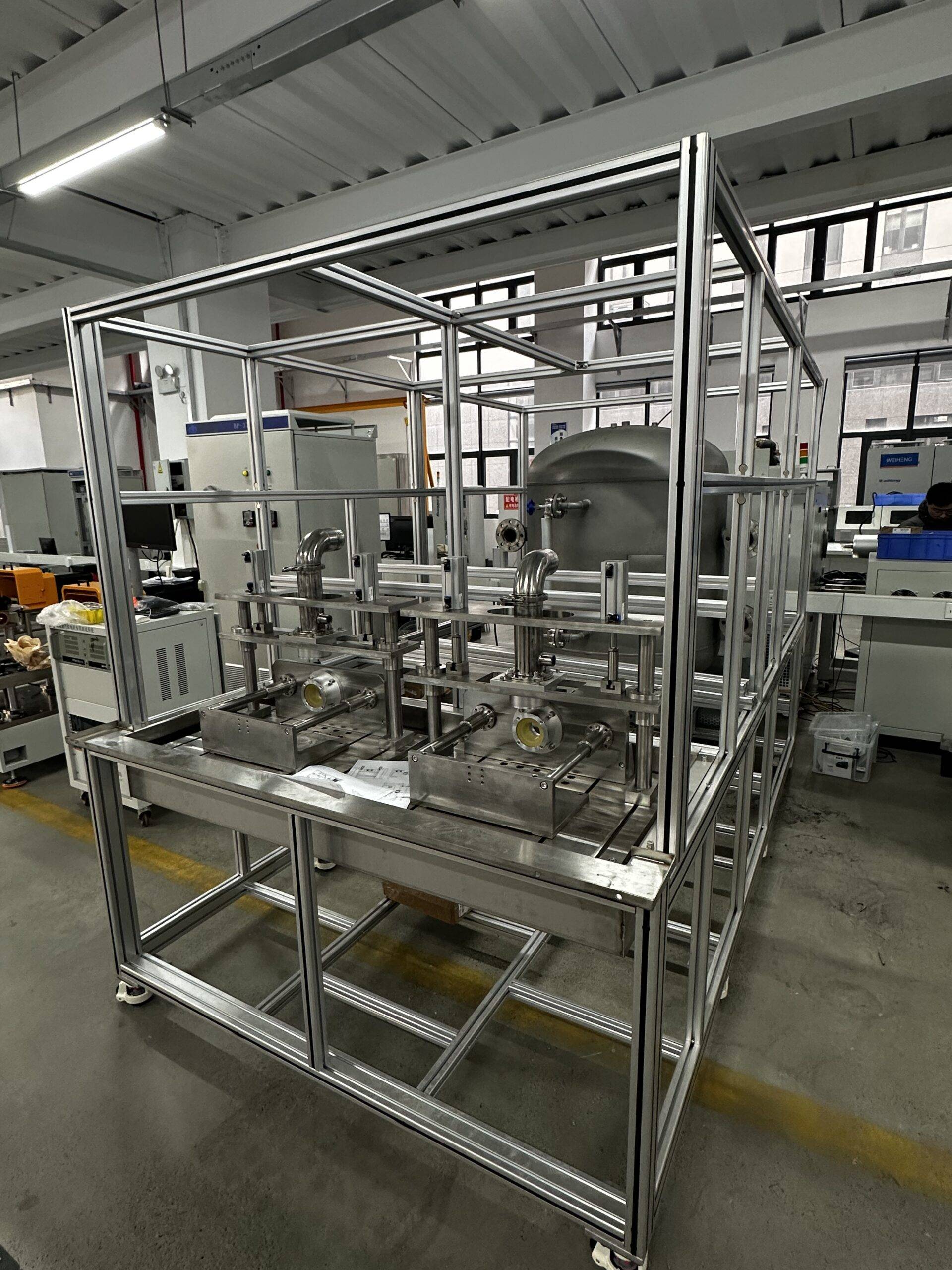
Panca per la pompa dell'acqua
Il sistema di test della pompa dell'acqua è un'apparecchiatura specializzata utilizzata per il test delle prestazioni delle pompe dell'acqua, comunemente usato per valutare i parametri chiave come il flusso, Testa, energia, ed efficienza.