设置为默认语言
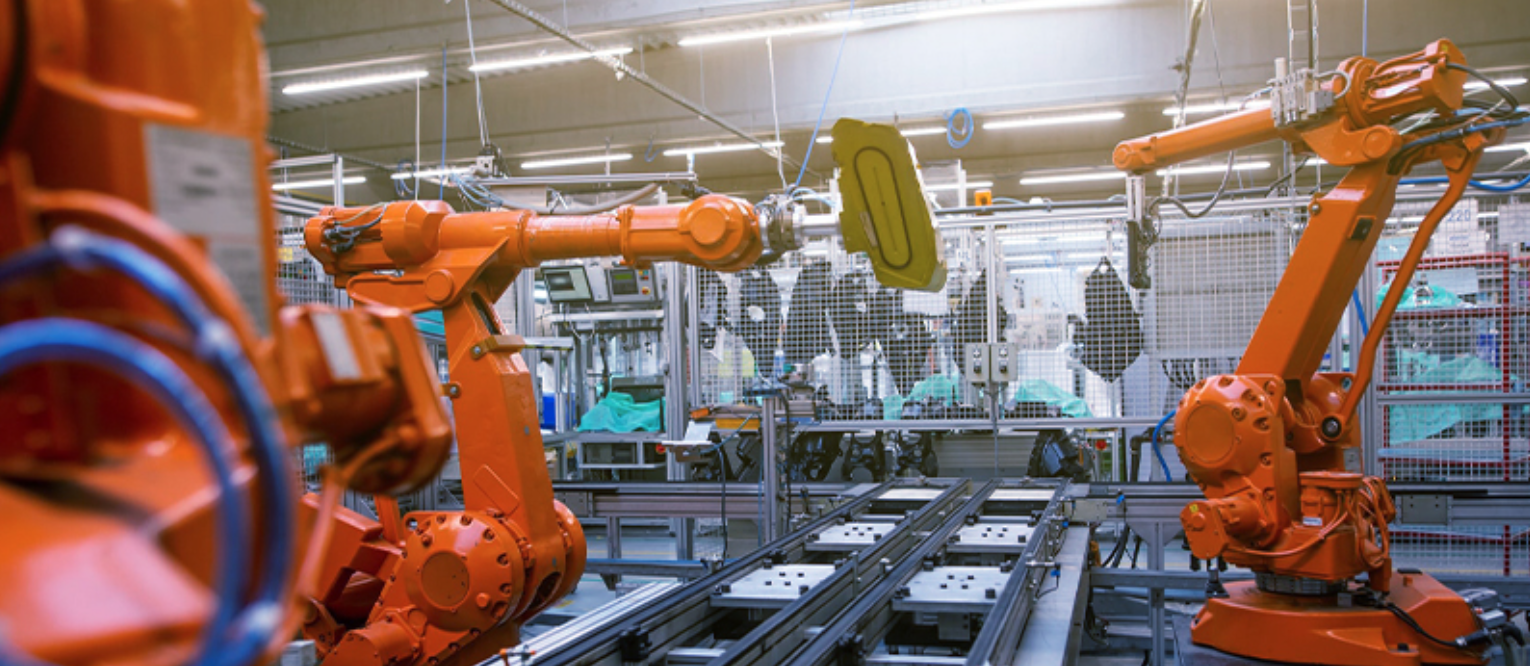
test automation system for facility

Choosing the Right Test Automation System for Your Facility

Executive Summary

Selecting the right test automation system for your facility is crucial for ensuring accurate, efficient, and reliable testing. Whether you’re testing automotive, 海军陆战队, or industrial equipment, a well-implemented test automation solution can save time, reduce errors, and increase throughput. This guide will help you understand the process of choosing the most suitable system based on your specific testing needs, providing you with insights into automation options, integration strategies, and key decision factors.

A Right Approach to the Comprehensive Test automation solution:

Step 1: Identify Your Test Automation Needs

Before selecting an automation system, it is essential to categorize your test requirements. Test automation solutions differ significantly based on the complexity and scale of the tests they perform. The main types of tests include:

  • Component Level Tests: Typically involve repetitive testing of individual components or subassemblies. This is ideal for automated systems requiring minimal setup and frequent repetition.

  • Steady-State Tests: These tests measure the system’s behavior under constant conditions, such as engine endurance tests or component stress tests.

  • Complex System-Level Tests: These tests simulate real-world operational conditions for an entire system, such as propulsion testing or load distribution in automotive and aerospace systems.

By understanding the nature of your testing, you can start to assess which type of automation system will best meet your facility’s needs.

Step 2: Evaluate Test Automation Systems

When evaluating test automation systems, consider the following key factors:

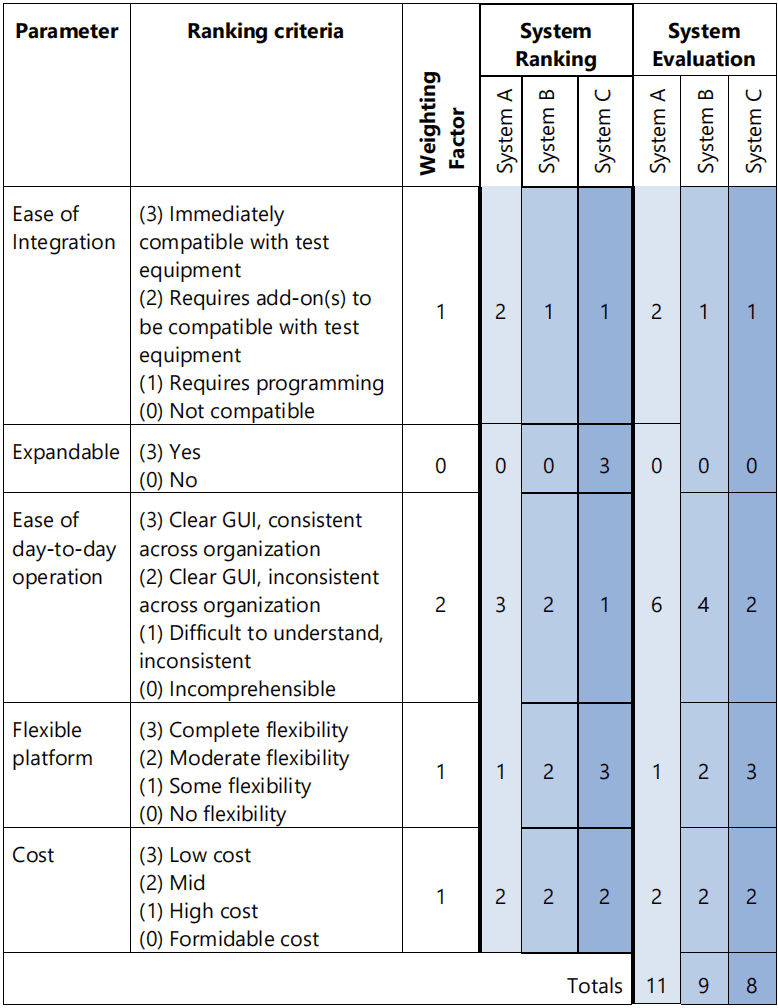
  1. Ease of Integration: How seamlessly can the automation system integrate with your existing infrastructure? A system that requires minimal modifications to your existing test benches and instruments will reduce implementation time and cost.

  2. Expandability: Choose a system that can grow with your facility’s needs. Whether you need to expand testing capacity or add new functionalities, a flexible system will provide long-term value.

  3. Cost Efficiency: While it’s tempting to go for the most advanced system, cost must also be considered. The system should provide a balance of high-performance features and cost-effectiveness to meet your budget requirements.

  4. Operational Flexibility: Different automation systems offer varying levels of flexibility. Some systems can handle a wide variety of tests, while others are tailored for specific applications. Look for a system that can accommodate both current and future testing demands.

test automation system for facility

Step 3: Proof of Concept and Vendor Selection

Before committing to a test automation system, it is advisable to conduct a proof of concept (PoC) to verify that the system meets your requirements. Many vendors offer demonstration units or trial periods that allow you to test the system in a real-world setting. Be sure to ask for case studies and examples of how the vendor’s system has performed in similar applications. This will give you a clearer picture of what to expect from the system and whether it aligns with your goals.

Get Started with Our Automation Solutions

Ready to upgrade your facility’s test capabilities? Contact us today to get a Solution and quotation!Our experts will work with you to identify the best solution for your needs.

Aerospace Test Solution

Aerospace Test Solution

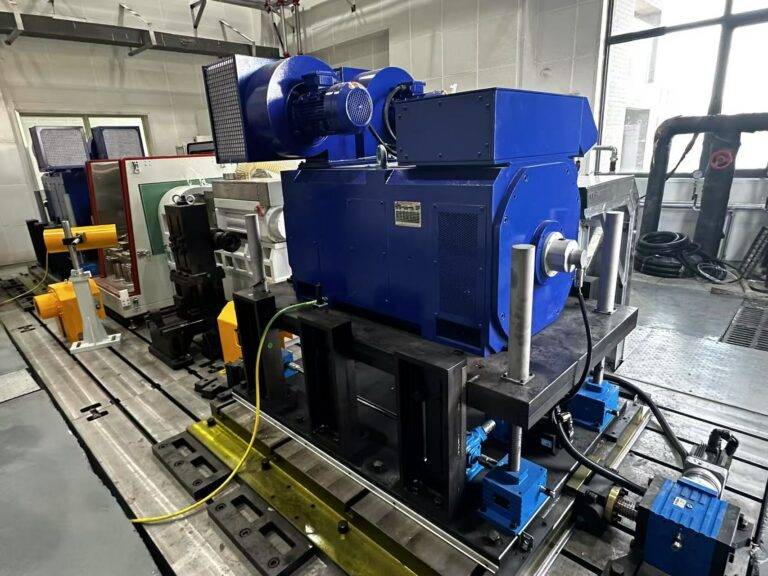
我们提供Torquemeters, 联轴器, 飞轮, 主轴 & test rigs for both helicopter and aero engine component testing

Marine Propulsion Test Bench

Marine Test Solution

我们为海洋发动机提供测试解决方案, 推进系统, electric motors, 发电机组, transmission gearboxes, 辅助电力系统, 废气系统, 和船舶备件

水泵测试系统

Water Pump Test Bench

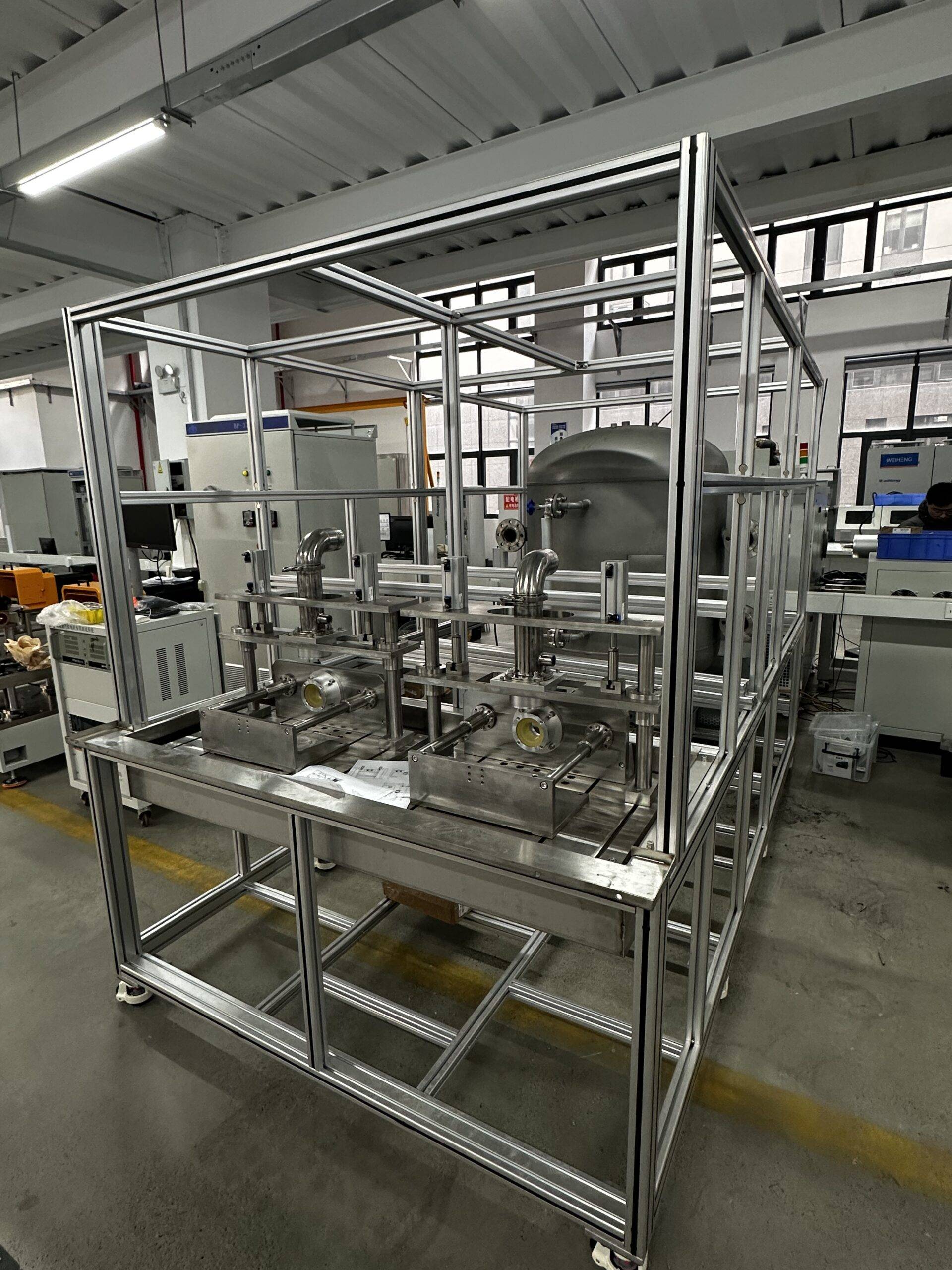
水泵测试系统是一种用于水泵性能测试的专用设备, 通常用于评估关键参数(例如流量), 头, power, 和效率.

错误: 内容受到保护 !!