
Four-quadrant AC dynamometer test benches covering 5–2,000 Nm, 8,000–18,000 RPM, 0.75–250 kW, ±0.2% accuracy.
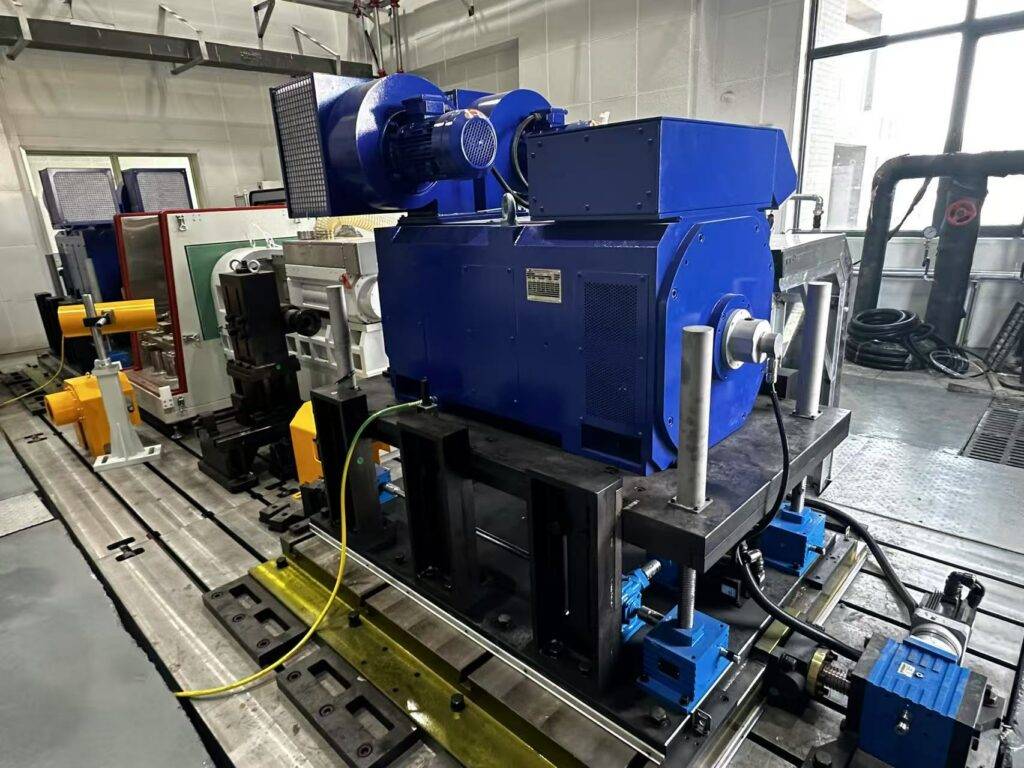
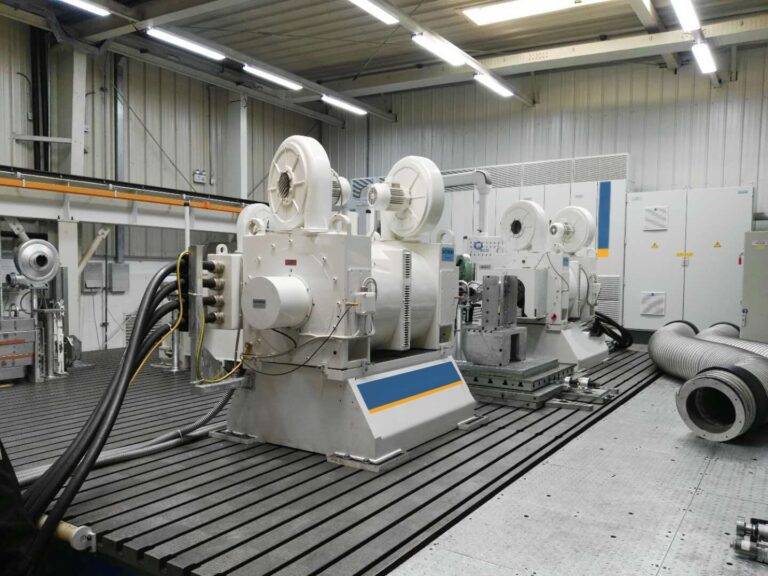
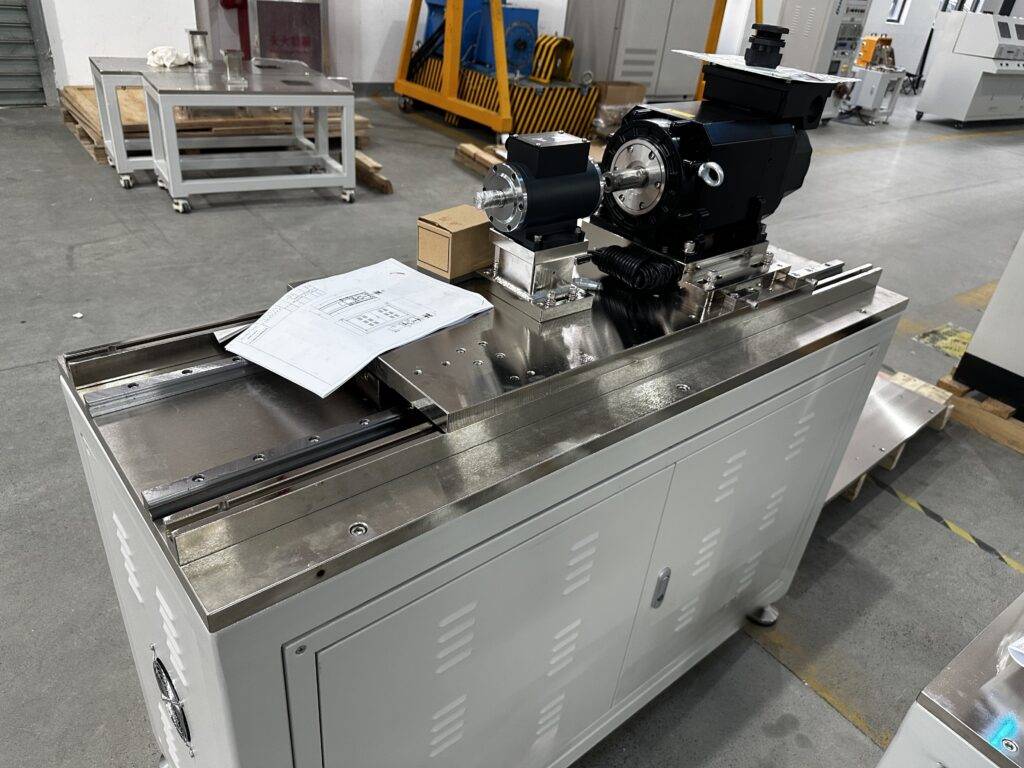
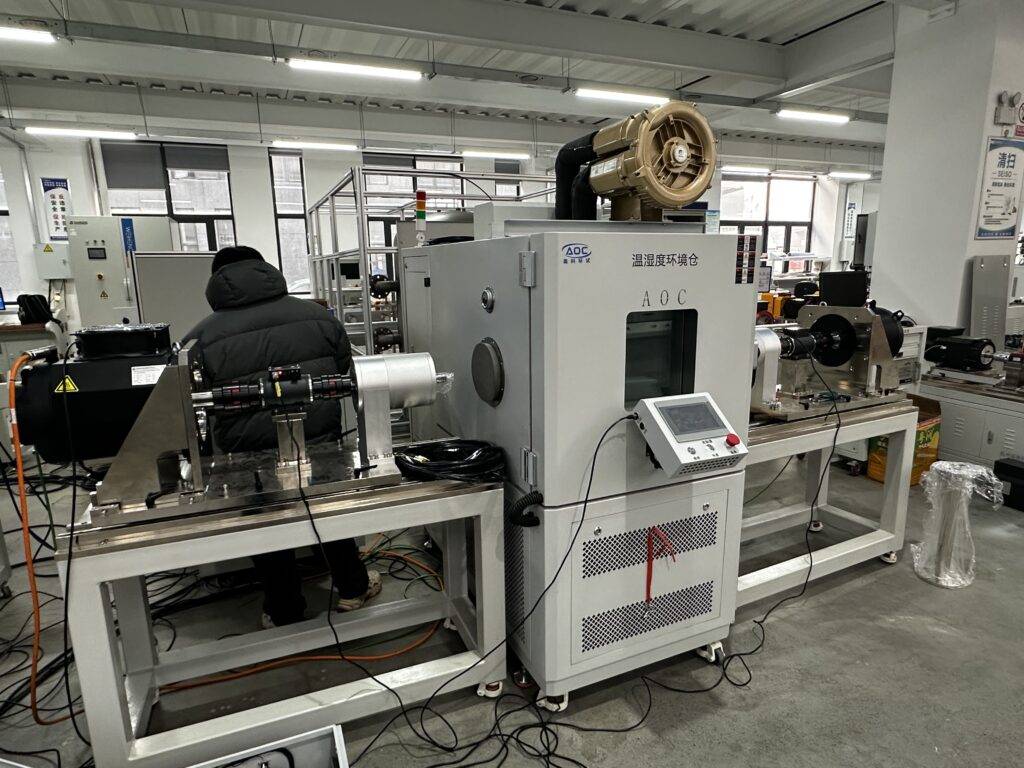
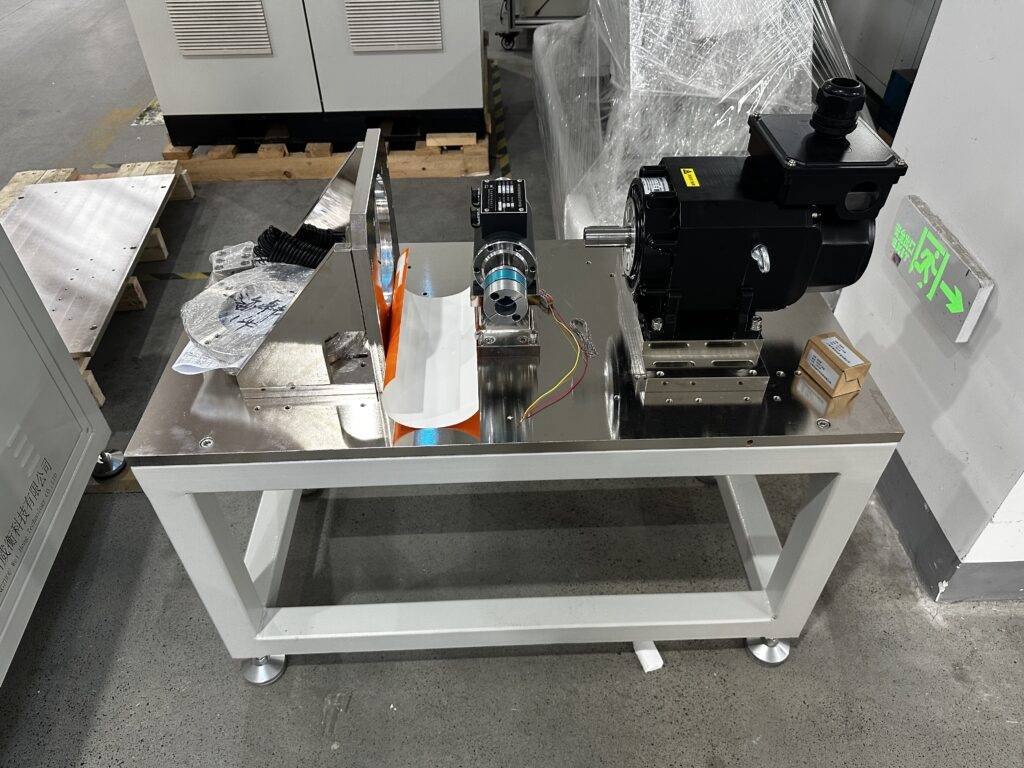
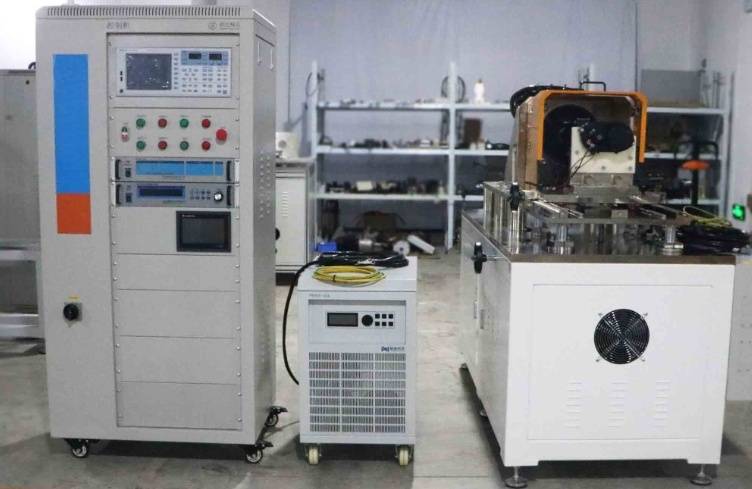
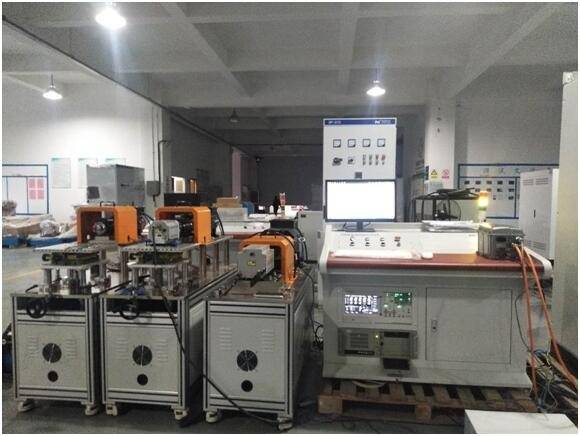
An AC dynamometer (also called an AC dyno or AC dynometer test bench) is a four-quadrant precision testing device used to measure and control torque, speed, and power in electric motors, engines, and powertrain systems. Unlike absorption-only dynamometers (eddy current or magnetic powder), an AC dynamometer operates in all four quadrants — it can act as both a load (braking/absorbing) and a drive (motoring), and in both forward and reverse rotation.
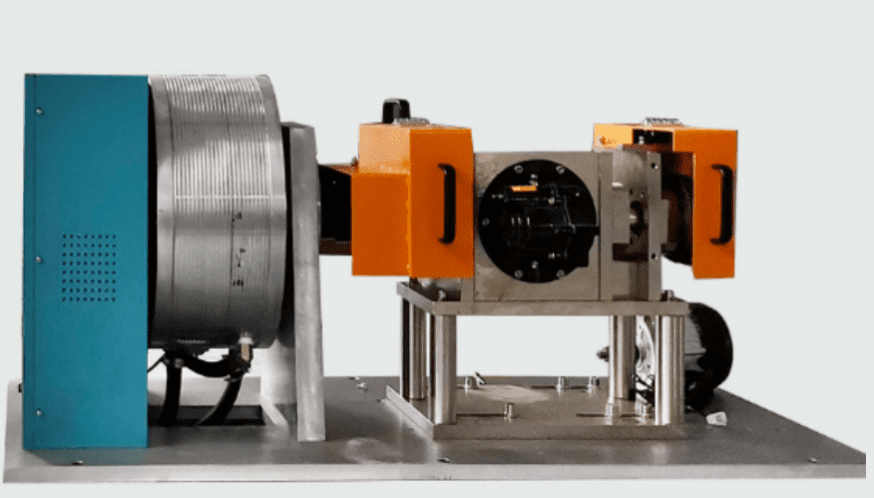
The system consists of an AC motor (asynchronous induction or permanent magnet synchronous) paired with a four-quadrant variable frequency converter. This enables precise control of load conditions across the full operating envelope of the unit under test (UUT), from zero RPM through maximum rated speed.
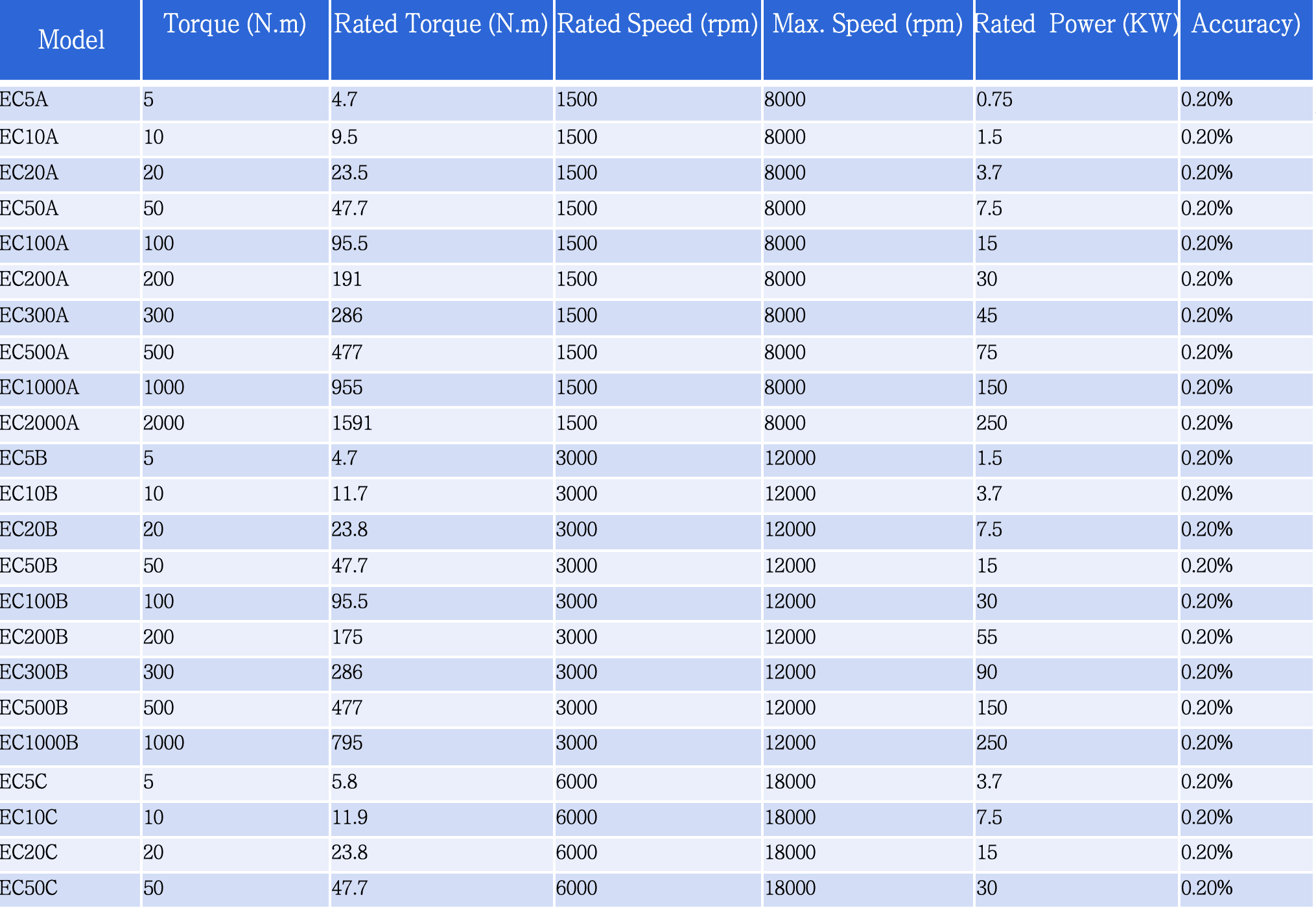
EconoTest AC dynamometer models (EC5A to EC2000A) cover torque from 5 Nm to 2,000 Nm, speeds from 8,000 to 18,000 RPM, power from 0.75 kW to 250 kW, and achieve torque and speed measurement accuracy of ±0.20% full scale.
An AC dynamometer works through the bidirectional energy control capability of a four-quadrant frequency converter:
| Parameter | AC Dynamometer | Eddy Current Dynamometer |
|---|---|---|
| Operating quadrants | 4 (motoring + loading, both directions) | 1 (loading/absorption only) |
| Zero-speed torque | Available (motoring mode only; loading torque requires motion) | Not available |
| Energy recovery | Yes — regenerative, feeds power back to grid | No — all energy dissipated as heat |
| Speed range | 8,000–18,000 RPM | Up to 50,000 RPM |
| Best for | EV motor efficiency mapping, powertrain, hybrid testing | High-speed motor and engine endurance testing |
| Cooling requirement | Air-cooled (converter cabinet) | Water-cooled (all models) |
| Capital cost | Higher | Lower |
| Operating cost | Lower (energy recovery) | Higher (all energy as heat) |
| Parameter | AC Dynamometer | Magnetic Powder Dynamometer |
|---|---|---|
| Operating quadrants | 4 | 1 (absorption only) |
| Zero-speed loading torque | Available at low speed (near zero) | Full rated torque at zero RPM |
| Speed range | 8,000–18,000 RPM | 2,000–5,000 RPM |
| Power range | Up to 250 kW | Up to 15 kW (ECF2000 continuous) |
| Best for | EV powertrain, high-power motor testing | Production line testing, servo/geared motors |
| Consumables | None | Periodic magnetic powder replacement |
When to choose an AC dynamometer: Your application requires efficiency mapping across all operating quadrants, four-quadrant testing (both motoring and loading), speed above 5,000 RPM, or energy cost reduction on long-duration tests.
All EconoTest AC dynamometer parameters are confirmed from our official product specifications. All parameters can be customized upon customer request.
| Parameter | Range (EC5A – EC2000A series) |
|---|---|
| Rated torque | 5 – 2,000 Nm |
| Max speed | 8,000 – 18,000 RPM |
| Rated power | 0.75 – 250 kW |
| Torque & speed accuracy | ±0.20% full scale |
Detailed model-by-model specifications (torque, speed and power for each model in the EC5A–EC2000A series) are provided with your quotation based on your application requirements.
Note: For applications requiring speeds above 18,000 RPM or power above 250 kW, see our High-Speed Motor Test Bench (up to 25,000 RPM, up to 800 kW) or contact our engineers for a custom configuration.
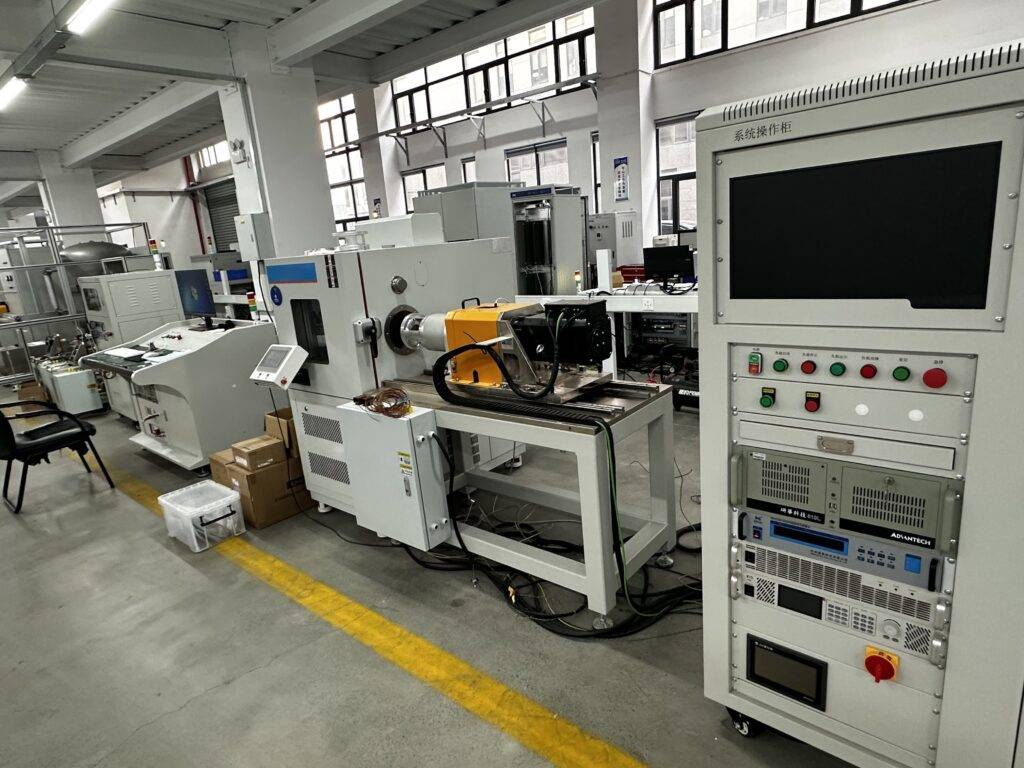
System Components:
AC dynamometers are the primary tool for automotive EV motor validation. Test items include efficiency mapping (MAP), peak torque, peak speed, T-N curve, NVH, EMC/EMI, thermal management, and durability. The four-quadrant capability is essential for hybrid powertrain testing where the electric machine alternates between motoring (driving the vehicle) and generating (regenerative braking) modes.
Typical automotive applications:
Aircraft ground support equipment, electric actuators, and MEA (More Electric Aircraft) propulsion components require four-quadrant testing to validate both power generation and motor mode performance. AC dynamometers at power levels up to 250 kW cover the range for aircraft accessory drive testing.
Marine electric propulsion systems and shaft generators require high-torque, medium-speed testing. Higher-torque models in the EC5A–EC2000A range (up to 2,000 Nm) are appropriate for these applications. Four-quadrant capability enables simulation of both propulsion and regeneration conditions.
For industrial motor manufacturers, AC dynamometers provide comprehensive end-of-line performance verification covering efficiency, power factor, torque ripple, and speed regulation. Automated test sequences reduce cycle time compared to manual test bench operation.
Choose an AC Dynamometer if:
Choose an Eddy Current Dynamometer if:
Choose an AC Dynamometer if:
Choose a Magnetic Powder Dynamometer if:
Follow this 4-step process to identify the correct AC dynamometer model:
Step 1 — Define motor rated torque and peak torque
The dynamometer rated torque must be equal to or greater than the motor’s peak torque (not just continuous rated torque). Select the next model up if your peak torque falls between two models.
Step 2 — Define maximum test speed
The dynamometer maximum speed must exceed your motor’s maximum test speed with adequate margin. EconoTest engineers will recommend the appropriate margin for your application.
Step 3 — Verify continuous power
Confirm the dynamometer’s rated power covers your continuous test cycle. For short-duration peak power tests, a slightly lower-rated model may suffice — consult EconoTest engineers.
Step 4 — Determine test mode requirement
If you only need loading (absorption) mode, an eddy current or magnetic powder dynamometer may offer better value. If motoring, efficiency mapping, or energy recovery is needed, an AC dynamometer is required.
Quick selection reference:
The EconoTest AC dynamometer test bench covers the following standard test items. Custom test sequences can be added per customer specification:
Performance Tests:
Dynamic Tests:
Durability and Thermal Tests:
Driver/Inverter Tests:
An AC dynamometer is a four-quadrant testing device that uses an AC motor paired with a variable frequency drive to both load and drive the unit under test. Unlike absorption-only dynamometers, AC dynos can operate in all four quadrants — motoring and generating in both directions — making them the standard choice for EV motor, e-axle, and powertrain testing.
EconoTest AC dynamometer models (EC5A to EC2000A) cover torque from 5 Nm to 2,000 Nm and speeds from 8,000 to 18,000 RPM. Rated power ranges from 0.75 kW to 250 kW. Measurement accuracy is ±0.20% full scale for both torque and speed. All parameters can be customized.
An AC dynamometer can operate as both a motor and a load (four-quadrant), allowing it to drive the unit under test and recover energy back to the grid. An eddy current dynamometer is absorption-only and cannot drive the test article. AC dynos are preferred for EV motor efficiency mapping; eddy current dynos are lower cost and suitable for engine and high-speed testing where motoring mode is not required.
Yes. EconoTest AC dynamometer systems use regenerative four-quadrant frequency converter technology that recovers braking energy and feeds it back to the power grid, significantly reducing energy consumption and operating costs for endurance and durability test programs.
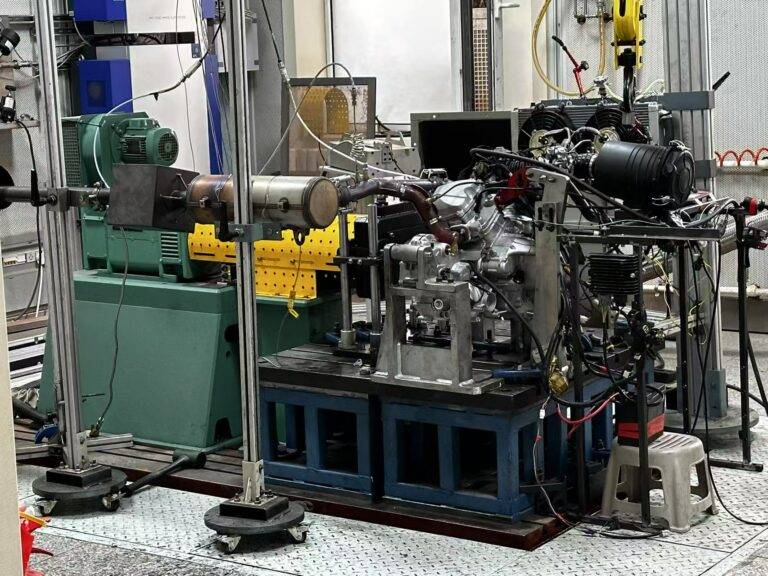
Yes. EconoTest AC dynamometers are used for both electric motor testing and combustion engine testing. When paired with a gearbox, the system accommodates a wide range of speed and torque combinations. It is particularly suited for hybrid powertrain testing where both electric and ICE modes must be validated on the same platform.
Selection is based on four parameters: (1) peak torque of the motor under test — select a dyno with rated torque equal to or greater than motor peak; (2) maximum operating speed — the dyno max speed must exceed the motor’s maximum test speed with adequate margin; (3) continuous power — match or exceed motor rated power; (4) application type — choose 4-quadrant AC dyno for EV/hybrid testing. Contact EconoTest engineers for a free selection consultation.
The AC dynamometer test bench covers: no-load and rated load tests, peak torque and peak speed, durability test, temperature rise test, T-N curve, back EMF, torque and speed fluctuation, efficiency map (MAP), forward/reverse speed difference rate, locked rotor test, overspeed test, inertia simulation, d-q axis inductance measurement, and driver performance test including bandwidth measurement.
AC dynamometers support high-speed operation up to 18,000 RPM with energy regeneration and four-quadrant control, suitable for high-power EV and powertrain testing. Magnetic powder dynamometers deliver full torque at zero speed and are best for low-to-medium speed production line testing up to 5,000 RPM. Magnetic powder units are lower cost but have no motoring capability and dissipate heat rather than recovering energy.
EconoTest engineers respond to all RFQ inquiries within 24 hours.
To receive a technical proposal, please provide:
Contact EconoTest:
All specifications confirmed from EconoTest official product documentation. Parameters are customizable upon request. EconoTest (Shanghai EconoTechnology Co., Ltd.) — National High-Tech Enterprise.
For any questions or support, please reach out via email at [email protected].
We aim to respond promptly.
Need immediate assistance? Call us at +86 156 1877 0706.
Our team is ready to assist you.
We welcome you to visit our office located at 3F, Building 2, NO.511 Xiaowan Road, Fengxian, Shanghai, China.
Let's discuss your needs in person.

© 2026 Shanghai EconoTechnology Co., Ltd. All rights reserved.
Empowering innovation through reliable testing solutions.