
Bàn thử nghiệm động cơ eVTOL: Cách xác nhận hệ thống động cơ điện hàng không
China’s low-altitude economy policy and global eVTOL certification programs are driving demand for aviation-grade electric motor test systems. This guide explains what it takes to validate propulsion motors for eVTOL aircraft.
Key Takeaways
- eVTOL propulsion motors require aviation-grade validation: DO-160 environmental testing plus high-speed dynamometry.
- Multi-rotor architectures mean many motor–propeller units per aircraft, making endurance and redundancy testing critical.
- EconoTest aerospace benches cover 5–1,000 kW and 3,000–100,000 RPM with altitude simulation to ~25 km.
- Energy-regenerative loading feeds power back to the grid, cutting the cost of long-duration endurance runs.
The eVTOL Revolution: Why Motor Testing Can’t Use Conventional Methods
Electric Vertical Take-Off and Landing (eVTOL) aircraft represent the fastest-growing segment in aviation. Unlike conventional aircraft motors, eVTOL propulsion systems face extreme and simultaneous demands that standard motor test benches are not designed to handle.
5–15 kW/kg required — 3× higher than automotive EV motors
Rapid duty cycles from 0 to 100% in <1 second during hover transitions
Propeller motors: 500–8,000 RPM; generators: up to 50,000 RPM
CAAC/EASA airworthiness standards require full DO-160 environmental testing
✈️ Propulsion Motor (Propeller Drive)
Direct-drive or geared motors that spin propellers or fans. These motors are characterized by high torque at relatively low RPM and must survive extreme vibration environments.
Key Test Requirements
| Speed Range | 500–8,000 RPM |
| Power | 10–250 kW per motor |
| Torque Response | <100 ms step response |
| Altitude Simulation | Low-pressure cooling conditions |
| Vibration Profile | DO-160 Category S |
| Cooling Method | Air or oil-cooled |
⚙️ Starter-Generator (APU / Turbine-Hybrid)
High-speed starter-generators are used in hybrid eVTOL to start turbines and generate electrical power. These operate at very high speeds (20,000–50,000 RPM) and require advanced high-speed test bench capabilities.
Key Test Requirements
| Speed Range | 5,000–50,000 RPM |
| Power | 50–500 kW |
| Dual Mode Test | Motoring + Generating |
| Grid Synchronization | 28V DC / 115V AC 400Hz |
| Bearing System | Magnetic or air bearings at test bench |
| Safety | Over-speed containment required |
eVTOL Test Bench: Core Requirements
An aviation-grade motor test bench differs fundamentally from automotive or industrial motor test systems. The safety, reliability, and measurement requirements are orders of magnitude stricter.
Must-Have Capabilities
- High-speed dynamometer: Up to 50,000 RPM with precise torque measurement
- Aviation duty cycle: Take-off (100%) → Cruise (60%) → Hover (80%) simulation
- Thermal management: Altitude-equivalent cooling conditions (reduced air density)
- Regenerative load: Energy recovery during high-power test cycles
- EMI/EMC shielded: Aviation electronics in close proximity
- Containment housing: Mandatory over-speed safety enclosure
- Data acquisition: ≥1 MHz sampling for transient fault capture
eVTOL vs Automotive Motor Testing: Key Differences
| Requirement | Automotive EV Motor Test | ✈️ eVTOL Motor Test |
|---|---|---|
| Safety Standard | ISO 6469 | DO-160 + CAAC/EASA |
| Duty Cycle Profile | WLTP drive cycle | Aviation mission profile (take-off/hover/cruise) |
| Max Speed | 15,000–20,000 RPM | Up to 50,000 RPM |
| Power Density Target | 2–5 kW/kg | 5–15 kW/kg |
| Containment Required | Recommended | Mandatory |
| EMI/EMC Testing | Standard EMC | Full DO-160 Section 21 compliance |
EconoTest Aviation Motor Test Solutions
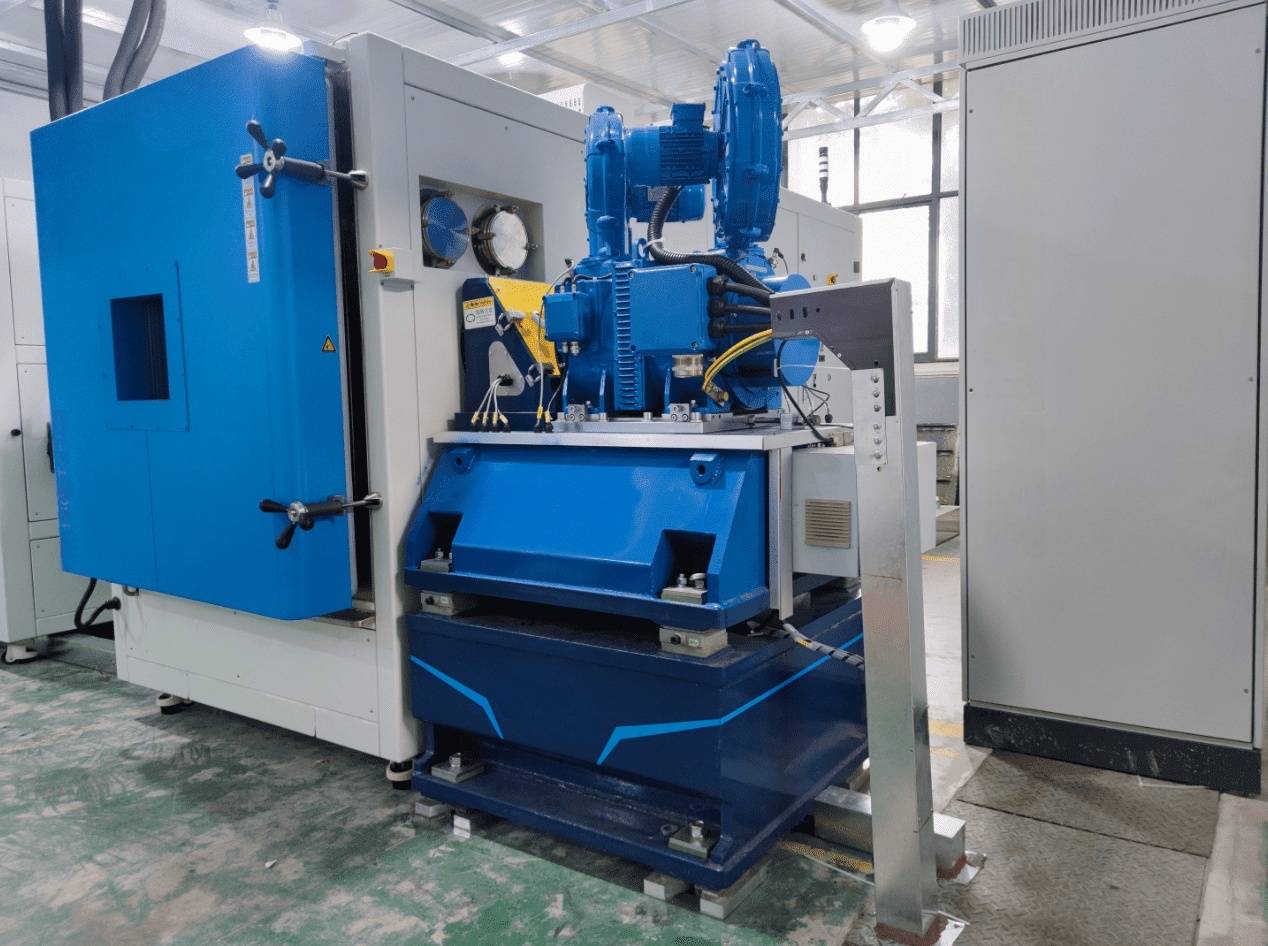
EconoTest has developed dedicated high-speed motor test systems for aviation and eVTOL applications, building on our proven aerospace starter-generator test bench platform.
Our Aviation Test Bench Capabilities
- High-speed dynamometers rated to 50,000 RPM with aviation-grade containment
- Dual-mode testing: motor and generator modes in one system
- Aviation power supply simulation: 28V DC and 115V/400Hz AC
- Integrated thermal imaging and temperature monitoring
- Data acquisition at up to 1 MHz sampling rate
- Compliant with DO-160, MIL-STD-704 and CAAC requirements
- Custom test profiles for eVTOL mission simulation
Ready to Test Your eVTOL Propulsion System?
EconoTest engineers specialize in high-speed aviation motor test systems. Discuss your eVTOL motor test requirements with our aerospace team.
Frequently Asked Questions
What standards apply to eVTOL motor testing?
DO-160/RTCA environmental categories are the primary reference for airborne equipment; CE/UKCA options are available for the ground test equipment itself.
What speed range do the test benches cover?
From 3,000 up to 100,000 RPM, allowing one platform to serve direct-drive propeller motors as well as high-speed machines.
Can altitude conditions be simulated?
Yes. Pressure can be controlled from 101 kPa down to 4 kPa — roughly sea level to 25 km — with temperatures from −55 °C to +200 °C.
How is endurance testing handled?
Long-duration automated profiles run with AC load feedback that returns mechanical energy to the power grid, reducing electricity costs.
Does EconoTest support production testing of eVTOL motors?
Yes. Solutions scale from R&D rigs to end-of-line production stations based on the EC800/EC900 test platforms.