Đặt làm ngôn ngữ mặc định
Lực kế trễ
Previous
Next

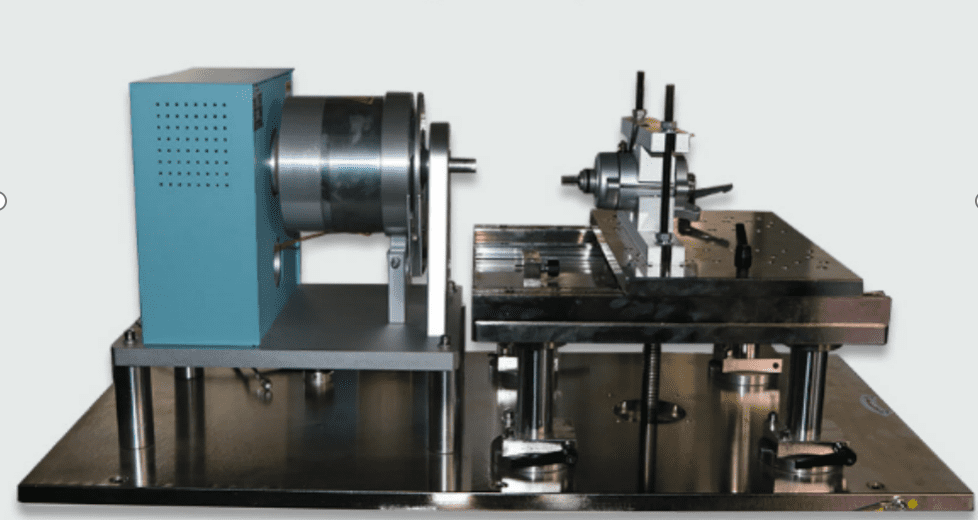
Hysteresis Brake Dynamometer — Zero-Speed to 30,000 RPM Precision Testing

What is a Hysteresis Dynamometers?

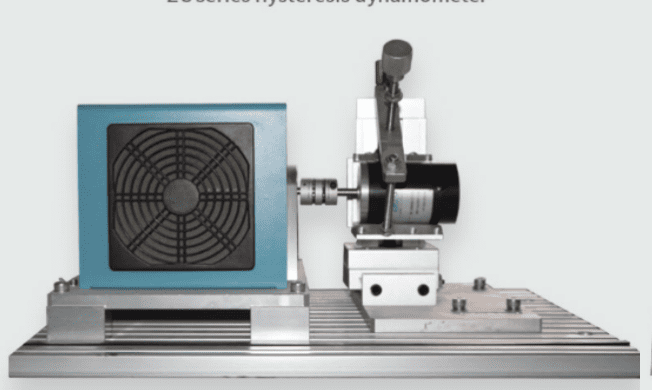
A Hysteresis Dynamometers is a sophisticated load testing system used to evaluate the mechanical performance and efficiency of components such as động cơ, motors, Và transmissions. It works by measuring the energy loss during loading cycles to simulate real-world stresses and ensure optimal performance under dynamic conditions. in addition Hysteresis dynamometers is ideal for automotive manufacturers, R&D labs, and industrial applications requiring precise torque, quyền lực, and efficiency measurements.

The benefit of Hysteresis Dynamometers

A Độ trễ lực kế is a testing device used to measure torque, tốc độ, and power of electric motors, including AC, DC, BLDC, and stepper motors. It is widely used in motor performance evaluation and research.

When selecting a dynamometer for motor testing, it’s essential to understand that the measurements of load characteristics and torque ripple/cogging torque characteristics are different. A single type of torque sensor may not provide accurate results for both, as the measurement requirements vary significantly. For example, a Hysteresis Braking system allows dynamometers to generate torque without requiring speed, enabling full motor testing from free-run to locked rotor. Cooling is provided by either air, or in some cases, a blower and liquid cooling system, depending on the test needs.

Key Features of Our Hysteresis Dynamometer

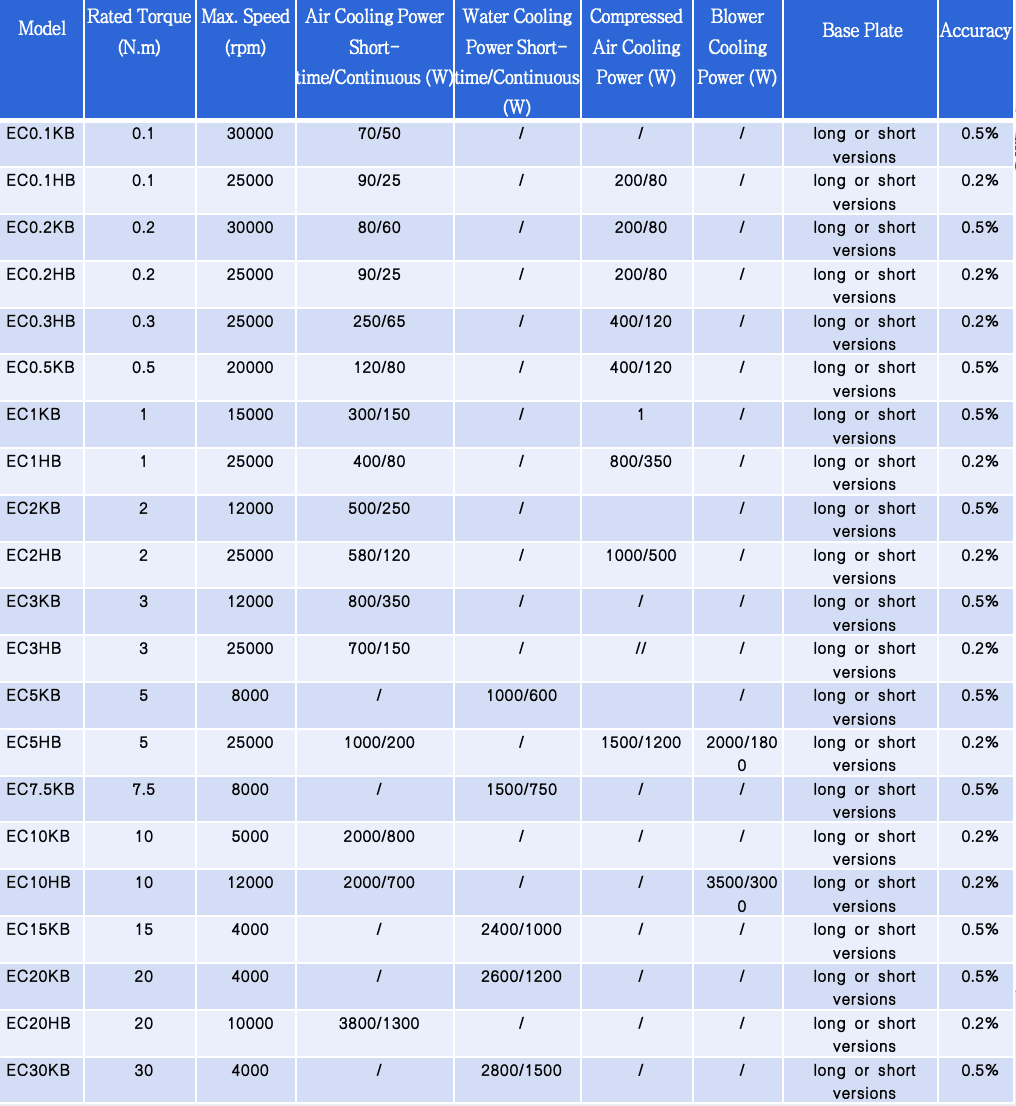
  • Sự chính xác: Hysteresis Dynamometers offer precise measurements with an accuracy of ±0.2% to ±0.5% full scale depending on the series (HB models ±0.2%, KB models ±0.5%).
  • mô-men xoắn: They are designed to measure and provide torque at various points, including rated torque, locked rotor torque, and breakdown torque.
  • Speed and Power Ratings: Dynamometers are rated for maximum torque, tốc độ, and power. The speed rating indicates the maximum speed at which the dynamometer can operate safely under light load or free-run conditions. Tuy nhiên, this is not the speed at which full braking torque can be applied.
  • High-Precision Load Simulation: Precisely controls load application to simulate real-world operational conditions.

  • Efficient Energy Dissipation: Uses hysteresis principles to absorb energy during test cycles, ensuring that all energy loss is accurately measured.

  • Wide Testing Range: Suitable for a variety of components, from small electric motors to large industrial equipment.

  • Advanced Cooling System: Integrated cooling solutions for high-load applications, preventing overheating during extended testing periods.

  • Real-Time Data Acquisition: Monitors torque, quyền lực, and temperature in real-time for comprehensive test analysis.

  • Non-Wear, Low-Maintenance Design: The system operates without direct friction, minimizing wear and reducing maintenance costs.

Hysteresis Dynamometer Models

Testing Principle and Content of Hysteresis Dynamometer

Testing Principle of Hysteresis Dyno:

  1. Độ trễ dynamometers employ electromagnetic induction to generate braking torque.
  2. The torque produced is independent of the shaft speed, which facilitates precise load control.
  3. The braking system comprises a pole structure and a steel rotor.
  4. The magnetic flux present in the air gap generates a frictionless braking force.
  5. Torque can be adjusted by regulating the excitation current.

Testing Content of Hysteresis Dynamometer:

  1. Torque Testing: This procedure measures real-time torque output with high precision.
  2. Speed Testing: This evaluation assesses motor performance across various speeds.
  3. Power Testing: This process calculates both input and output power for the purpose of efficiency analysis.
  4. Efficiency Testing: This testing determines the rates of energy conversion efficiency.
  5. Temperature Rise Testing: This monitoring assesses heat generation under load conditions.
  6. Vibration Testing: This assessment evaluates the mechanical stability during operation.
  7. Noise Testing: This measurement quantifies sound levels during motor operation.
  8. Load Characteristics Testing: This analysis examines performance under varying load conditions.
  9. Cogging Torque Testing: This evaluation measures torque ripple and operational smoothness.
  10. Overload Capacity Testing: This test assesses performance beyond the rated load limits.
  11. Starting Performance Testing: This measurement evaluates the motor’s startup characteristics.
  12. Transient Response Testing: This evaluation examines the system’s response to sudden changes in load.
  13. Harmonic Analysis: This analysis detects distortions in voltage and current during operation.
Lực kế trễ

Applications of the Hysteresis Dynamometer:

  • Automotive Powertrain Testing

    • Engine and Transmission Efficiency: Measure energy losses and efficiency in internal combustion and electric vehicle powertrains.

    • Torque and Power Output: Test performance across various engine speeds and loading conditions.

  • Kiểm tra động cơ

    • Electric Motor Testing: Measure losses and efficiency in electric motors under different load and speed profiles.

    • HVAC and Industrial Motors: Test industrial-grade motors for efficiency, mô-men xoắn, and energy consumption.

    • Combustion engine (automotive, motorcycle, chainsaw, vân vân.)
    • Hydraulic (Hàng không vũ trụ, machinery)
  • Aerospace Applications

    • Component Durability: Test critical aerospace components under high-stress conditions to ensure they meet safety standards.

    • Performance Analysis: Simulate real-world loading scenarios for propulsion systems.

  • Industrial Equipment Testing

    • Heavy Machinery Load Testing: Assess the durability and performance of gearboxes, pumps, and large industrial components.

    • Hiệu quả năng lượng: Measure and optimize energy consumption in industrial equipment.

      • Máy bơm (thủy lực, oil)
      • Propeller (Hàng không vũ trụ, marine, helicopter)
      • Reduction gear, gearboxes
      • Clutch, overload clutch
      • Motorized valve drill, pneumatic tools
      • Other machine tools

How Does the Hysteresis Dynamometer Work?

các Hysteresis Dynamometers operates based on the principle of energy dissipation through Hysteresis Dyno. During testing, mechanical energy is supplied to the test object, and the Độ trễ dynamometers applies a resistive force that mimics the real-world operational load. The energy dissipated during the loading and unloading cycles is then captured, allowing for precise measurement of energy losses, mô-men xoắn, và hiệu quả.

  1. Energy Absorption: As the test object is loaded, the dynamometer absorbs the energy dissipated through friction, deformation, and other factors.

  2. Torque and Power Measurement: The system measures the resulting torque and power, providing accurate data on the performance of the test component.

  3. Dynamic Load Cycles: The dynamometer can simulate various real-world operating conditions, including acceleration, deceleration, and steady-state operations.

  4. Real-Time Feedback: Data is captured continuously, giving engineers immediate insights into system performance and efficiency.

Key Benefits of Using the Hysteresis Dynamometer:

  • Precise Performance Testing: Accurately simulate operational loads to test performance and efficiency.

  • Energy Loss Measurement: Provides data on the energy dissipation in systems such as motors, transmissions, Và gearboxes.

  • Efficient Load Simulation: Simulate both dynamicsteady-state loading conditions for real-world applications.

  • Highly Customizable: Adaptable to various testing applications, including automotive, hàng không vũ trụ, industrial equipment, and more.

  • Extended Test Durations: Operates continuously under full load, making it ideal for long-term endurance testing.

  1. This system provides precise measurement of torque that is independent of speed.
  2. The frictionless operation contributes to reduced wear and lower maintenance costs.
  3. This technology supports testing under conditions ranging from free-run to locked rotor.
  4. High accuracy (±0.2%-0.5% full scale) is assured, ensuring reliable results.
  5. A variety of cooling options (convection, air, blower) are available to facilitate extended testing periods.
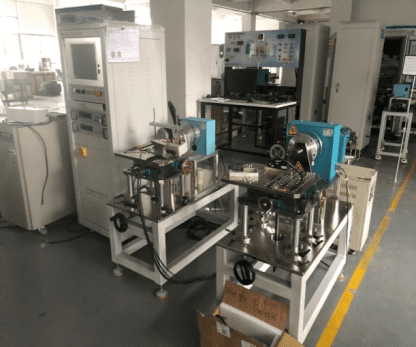
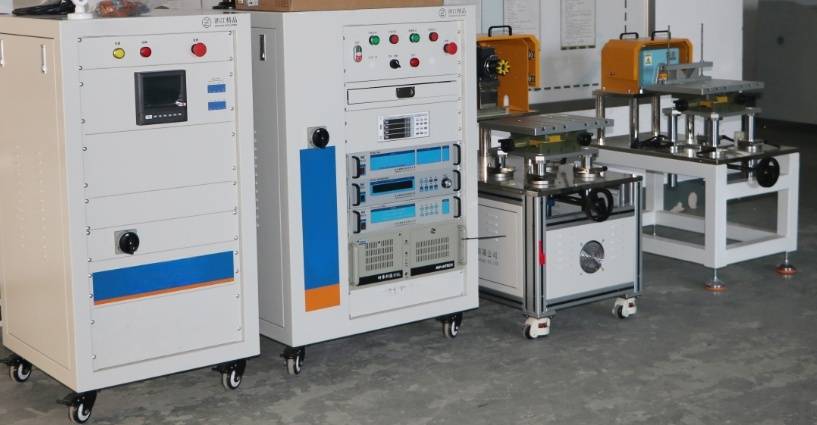
Multi Dynamometers Solution

Giải pháp nhiều động lực kế
Lực kế trễ
Lực kế trễ

Máy đo lực kế bột từ ECF

Máy đo lực từ bột

Lực kế phanh dòng điện xoáy

Eddy Current Dynamometer

Frequently Asked Questions — Hysteresis Dynamometer

What is a hysteresis dynamometer?

A hysteresis dynamometer uses electromagnetic hysteresis — the lag between magnetic field and material magnetization — to generate a smooth, speed-independent braking torque. The steel rotor and pole structure create a frictionless magnetic air gap. Torque is precisely controlled by adjusting excitation current, enabling full torque delivery from zero RPM through maximum rated speed without any mechanical contact.

Can hysteresis dynamometers produce full torque at zero speed?

Đúng. This is the key advantage of hysteresis dynamometers. Because torque is generated by the electromagnetic hysteresis effect rather than rotor motion, rated braking torque is available at zero RPM. This makes hysteresis dynos the standard choice for starting torque measurement, cogging torque testing, locked rotor tests, and servo motor evaluation.

What is the torque and speed range of EconoTest hysteresis dynamometers?

EconoTest EC/ECO series covers torque from 0.1 Nm (EC0.1KB, EC0.1HB) ĐẾN 30 Nm (EC30KB) and speeds up to 30,000 vòng/phút (loạt KB, air-cooled) hoặc 25,000 vòng/phút (dòng HB, air+water cooled). The complete model range includes: 0.1, 0.2, 0.3, 0.5, 1, 2, 3, 5, 7.5, 10, 15, 20, Và 30 Nm models.

What is the difference between KB series and HB series hysteresis dynamometers?

KB (tiêu chuẩn) series: accuracy ±0.5% full scale, tốc độ tối đa 30,000 vòng/phút (mô hình nhỏ) down to 4,000 vòng/phút (30 Nm model); most KB models are air-cooled, while the 5, 7.5 Và 15 Nm KB models are water-cooled. HB (độ chính xác cao) series: accuracy ±0.2% full scale, maximum speed up to 25,000 RPM on most models, with air+water, làm mát bằng nước + quạt gió hoặc không khí + quạt gió tùy theo kích thước. Choose HB series for precision servo motor testing, cogging torque measurement, or applications where ±0.2% accuracy is required.

What motor types are best suited for hysteresis dynamometer testing?

Hysteresis dynamometers are ideal for: AC motors, DC motors, BLDC motors, stepper motors, động cơ servo, and any motor where zero-speed or low-speed torque measurement is required. They are particularly suited for servo motor evaluation (bandwidth, mô men xoắn, speed ripple) and for any motor requiring testing from free-run to locked rotor in a single setup.

What cooling options are available for hysteresis dynamometers?

Cooling varies by model. loạt KB: air cooling on most models; the EC5KB, EC7.5KB and EC15KB are water-cooled. dòng HB: air+water cooling on the 0.1–3 Nm models, water+blower on EC5HB, air+blower on EC10HB, and air cooling on EC20HB. For extended test cycles or high-duty applications, water-cooled models are recommended. The cooling system is integrated and requires no external fan or pump for smaller air-cooled models.

What test items can be performed with a hysteresis dynamometer?

Standard tests include: torque measurement (rated, locked rotor, breakdown), speed testing, power and efficiency, tăng nhiệt độ, độ rung và tiếng ồn, load characteristics, cogging torque and torque ripple, công suất quá tải, starting performance, transient response, and harmonic analysis of voltage and current. The hysteresis dyno supports both steady-state and dynamic measurement requirements.

What is the maintenance requirement for a hysteresis dynamometer?

Hysteresis dynamometers operate without mechanical contact between rotor and stator, which means minimal wear and very low maintenance. No brushes, no friction surfaces, and no consumables need replacement in normal operation. Periodic checks of bearing condition and cooling water quality (for water-cooled models) are the primary maintenance tasks.

lỗi: Nội dung được bảo vệ !!