
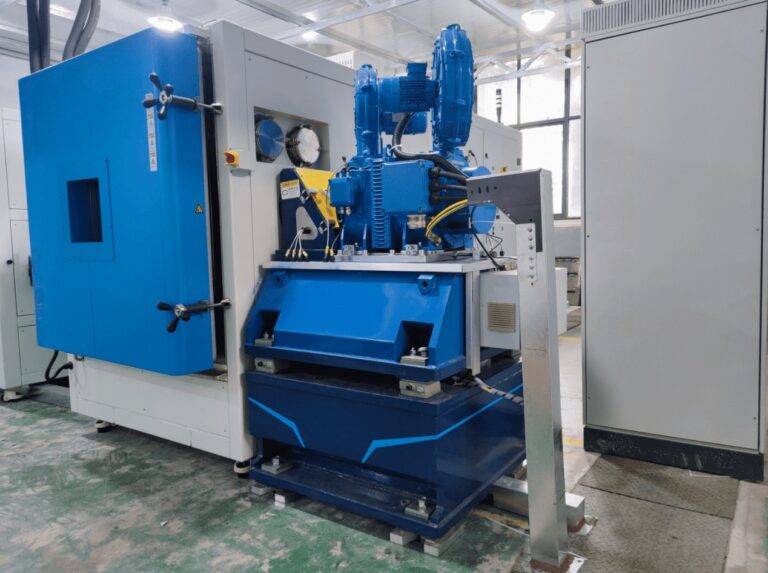
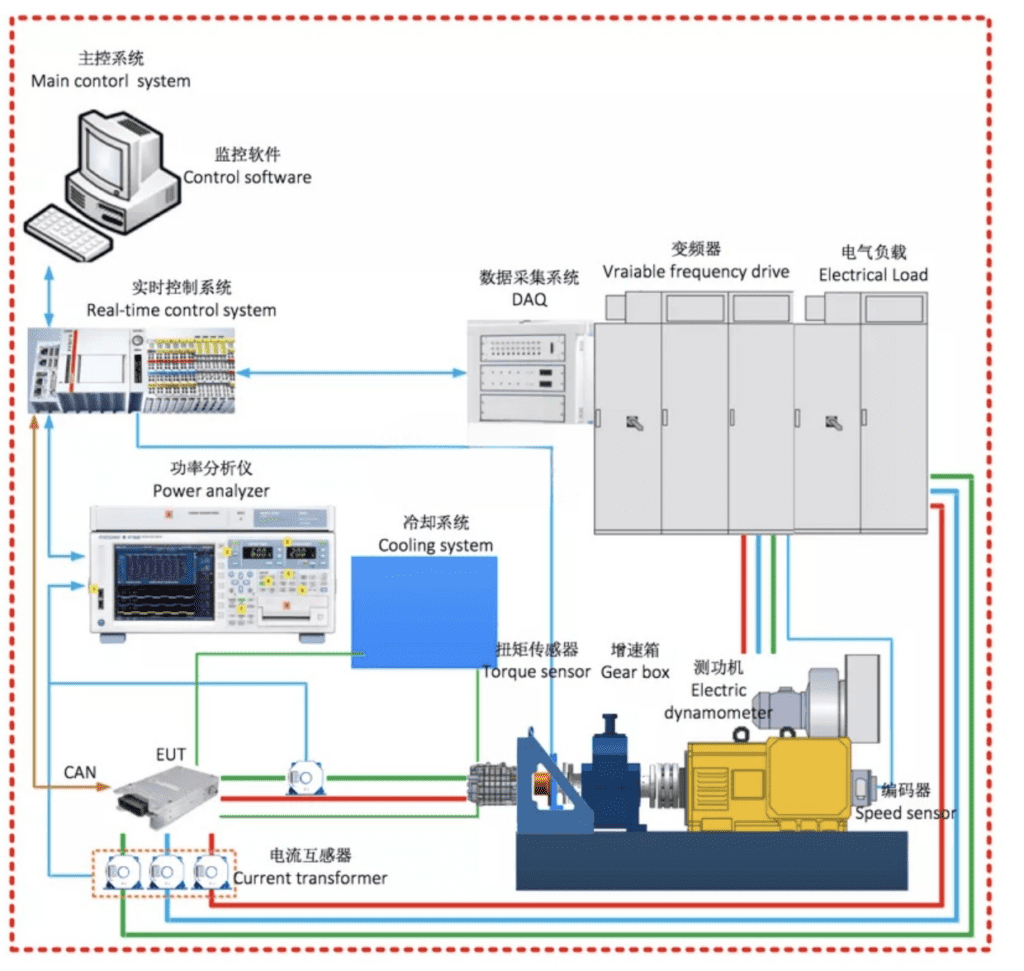
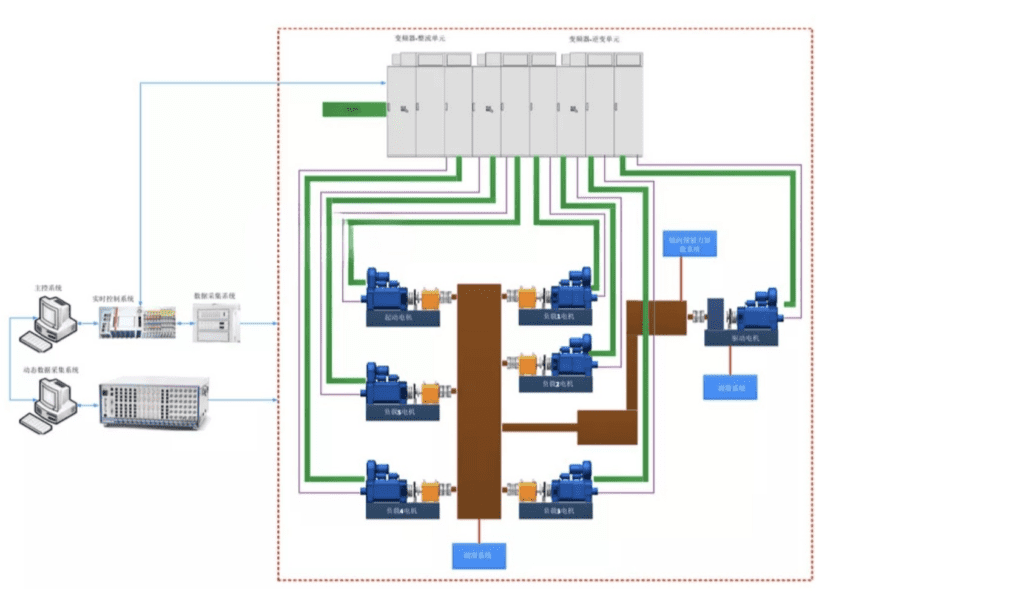
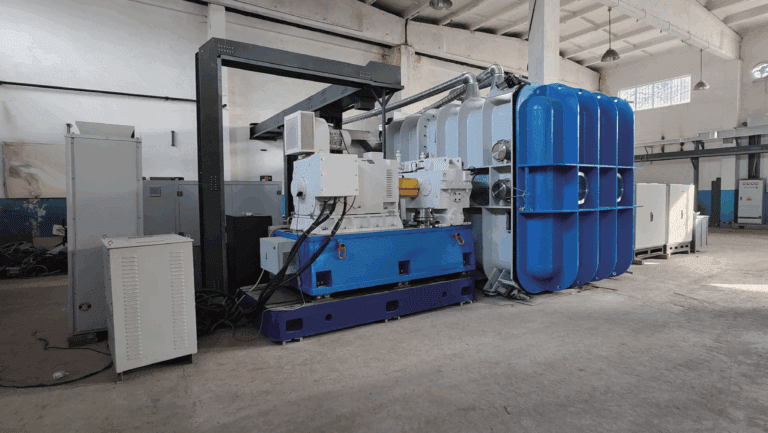
An aircraft starter generator test bench evaluates dual-function integrated starter-generator (ISG) units that crank aircraft engines during start-up and supply onboard electrical power during flight. EconoTest systems test power from 5 كيلوواط ل 1,000 كيلوواط, السرعات من 3,000 ل 100,000 دورة في الدقيقة, with altitude simulation from sea level (101 كيلو باسكال) ل 25 km (4 كيلو باسكال) and temperatures from −55°C to +200°C.
EconoTest aircraft starter generator test systems are designed for DO-160/RTCA compliance. CE and UKCA certification options are available. The safety PLC is SIL-rated. DAQ interfaces support ARINC-429/664 and MIL-STD-1553 protocols for avionics integration. Safety systems include SIL-rated interlocks and fault simulation capabilities.
The high-altitude starter generator test bench simulates pressure from 101 كيلو باسكال (sea level) down to 4 كيلو باسكال, equivalent to approximately 25 km altitude. The system uses sealed hydraulic connectors, sealed electrical plug-in connections, and vacuum-rated shaft seals to maintain integrity at simulated altitude pressures.
Dynamic response time is ≤8 ms for torque control. Load switching for fault simulation (short-circuit, open-phase, phase reversal, over/under-voltage, load dump) is ≤1 ms. Speed measurement accuracy is ±1 RPM. Torque accuracy is 0.05–0.1% FS depending on measurement range.
نعم. EconoTest starter generator test systems include programmable fault simulation covering: short-circuit, open-phase, phase reversal, over-voltage, under-voltage, and load dump events. All fault transitions occur within ≤1 ms. The grid emulator (4-quadrant, متجدد) is programmable from 0–1,000 Hz for comprehensive generator load profile testing.
The test system supports: DC resistive, constant-current, and constant-power loads; AC resistive, inductive, and capacitive loads; and regenerative back-to-grid loads. Combined resistive and reactive load banks evaluate performance at rated power factor. Programmable electronic loads simulate dynamic flight load profiles. Load switching occurs in ≤1 ms for realistic transient simulation.

© 2026 شركة شنغهاي Econotechnology, المحدودة. جميع الحقوق محفوظة.
تمكين الابتكار من خلال حلول اختبار موثوقة.